Read more about the article Dr Phil Smith Wildlife Notes: June
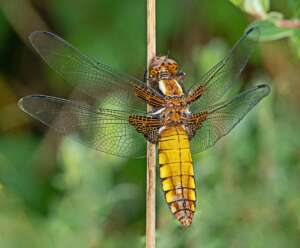
Banded General (Stratiomys potamida) at Sands Lake by Dr Phil Smith

Dr Phil Smith Wildlife Notes: June

According to the Met. Office, June continued the run of warm dry months this year, rain in the northwest being only 50-75% of average. In Formby, measureable rain in small quantity fell on only nine days, mainly near the beginning and end of the month. This was reflected in a rapid fall in the dune water-table, the level in the Devil’s Hole, Ravenmeols, dropping by 15cm, leaving the slacks almost entirely dry. This time last year there was extensive surface water. I saw no evidence of Natterjack Toad breeding in the Devil’s Hole and it looks as though it was another poor year coastwide.
Continue ReadingDr Phil Smith Wildlife Notes: June
Read more about the article Dr Phil Smith Wildlife Notes: April
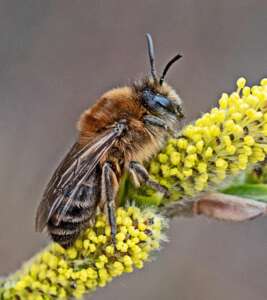
Early Colletes bee, Colletes cunicularius (Dr Phil Smith)

Dr Phil Smith Wildlife Notes: April

Following on from an exceptionally dry March, the spring drought continued with only five days of measureable rainfall in April and none after 12th. By the end of the month even the TV weather presenters were acknowledging that “gardeners would appreciate some rain.”  You might well ask why farmers, growers, the water supply industry and the natural environment did not merit similar concerns! The Met. Office acknowledged “a run of dry Aprils in recent years.” In fact, this weather pattern extends back to 2000, as I have repeatedly pointed out in these notes.  Cold dry nights meant awful breeding conditions for Natterjack Toads. I heard one call briefly at Hightown on 27th and that was it.

Continue ReadingDr Phil Smith Wildlife Notes: April
Read more about the article Dr Phil Smith Wildlife Notes: March
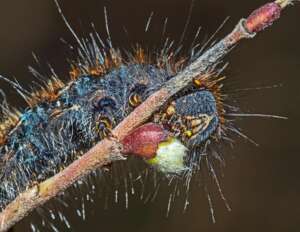
Oak Eggar at New Beach by Dr Phil Smith

Dr Phil Smith Wildlife Notes: March

With high pressure dominant for most of the month, March was excessively dry – measureable rain fell here on only four days. The Met. Office confirmed that we had less than half of our normal rainfall in what is already one of our driest months. It was also the sunniest March since 1929. There were cold snaps with icy winds early and late in the month, with a milder slot in between. Reflecting the dry autumn and winter, the highest water level at the Devil’s Hole slack was 46 cm lower than last year’s record high. One result is that the spawning sites used by Natterjacks at this site may be too shallow this spring, unless we get a lot of rain.

Continue ReadingDr Phil Smith Wildlife Notes: March

That's your lot!

No more pages to load