Dr Phil Smith: Wildlife notes May 2020

The spring drought continued and intensified during May, which was the sunniest and driest in England since records began in 1929.  By the end of the month, water companies were requesting cutbacks in the rate of water use, while some TV weather presenters were reluctantly admitting that “We might need some rain.” Meanwhile, vegetation on the dunes and road verges dried to a crisp, fires inevitably breaking out along the coast and on moorland. Fortunately, many of our dune wetlands, recharged by a wet winter, still had surface water, though the water-table at my Devil’s Hole measuring point fell 21 cm during May. This meant a rescue operation was needed to move large numbers of Natterjack tadpoles into deeper water. Mike Brown of North Merseyside Amphibian & Reptile Group kindly helped with this licensed work at short notice. One of the problems at the Devil’s Hole and elsewhere is owners allowing their dogs to play in the slacks and scrapes. This can strand Natterjack tadpoles which cluster in the warmest water at the edge. When asked politely, most dog-walkers comply but this is not always the case, as on 28th, when a prolonged stream of foul language and aggressive insults followed a similar request.   
(more…)

Continue ReadingDr Phil Smith: Wildlife notes May 2020

Dr Phil Smith: Wildlife notes April 2020

Since they began in 2007, these notes have repeatedly described spring droughts but this year’s was a real humdinger! For 40 days, from 18th March to 27th April inclusive, no measureable rain fell in Formby. It was also the sunniest and fifth warmest April on record. Climatologists have shown that these droughts are associated with a warming trend in the Arctic that leads to persistent high-pressure systems over Greenland. These disrupt the North Atlantic Jet Stream, which brings most of our rain. Apart from having serious implications for agriculture and water-supply, largely ignored by politicians and the media, these changes in our climate are having major impacts on wildlife.  

(more…)

Continue ReadingDr Phil Smith: Wildlife notes April 2020

Dr Phil Smith: Wildlife Notes March 2020

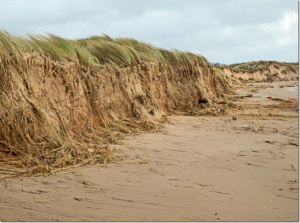
The first half of the month continued the trend set earlier in the winter of repeated low-pressure systems driven on a particularly vigorous North Atlantic Jet Stream. Measurable rain fell in Formby on 13 days but the last 12 days of March were completely dry as the strongest high-pressure system ever recorded dominated the Atlantic and the usual spring drought set in. The month was also windy, with particularly fierce blasts on four days. One of these on the 12th coincided with 10.2 m tides, amongst the highest we get, adding to the damage caused to coastal dunes during a similar coincidence of storms and spring tides in February. I managed to get a photographic record of the losses to the dune frontage, this being not quite as bad as the massive storm surges of the 2013/14 winter.

(more…)

Continue ReadingDr Phil Smith: Wildlife Notes March 2020

That's your lot!

No more pages to load