Dr Phil Smith: Wildlife Notes October 2019

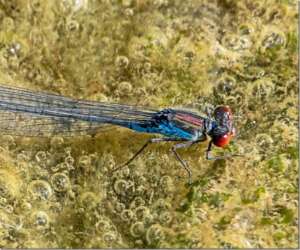
It’s supposed to rain in October and this year it did, 18 days having measurable rainfall, though in no great quantity. Nevertheless, it raised the dune water-table by about 15 cm (6 inches), with plenty of surface water at last in the Devil’s Hole. These damp conditions proved ideal for fungi, a highlight being the discovery by Trevor Davenport of the extremely rare Stereopsis reidii on the edge of a woodland path at Ainsdale National Nature Reserve. This caused a lot of excitement amongst mycologists, as there are few locations for the fungus in Europe and this was only the second British record, the previous also being at Ainsdale NNR.

(more…)

Continue ReadingDr Phil Smith: Wildlife Notes October 2019

Dr Phil Smith: Wildlife Notes September 2019

Rather like the previous month, September provided a “normal” mix of dry, sometimes warm, weather and wetter periods, about 14 days having measurable rainfall. As usual, we missed the torrential downpours late in the month that caused flooding elsewhere. North-westerly winds in the first few days produced Leach’s Petrels and other seabirds offshore, while the wind direction was also favourable for Pink-footed Geese migrating south from Iceland. The first reports on 5th were earlier than usual, record numbers being present from mid-month.

(more…)

Continue ReadingDr Phil Smith: Wildlife Notes September 2019

Dr Phil Smith: Wildlife Notes August 2019

Although, it felt quite autumnal by the end of the month, August on the Sefton Coast was brilliant for wildlife. The first day found me on Ainsdale Sandhills Local Nature Reserve, where butterflies abounded. Lots of Painted Ladies reflected the earlier invasion, while Graylings jostled for the best position on Sea Holly flowers, showing off their rarely seen upperwings. As expected, the big Natterjack scrape had several dragonflies, including a single Red-veined Darter left over from the July influx. A huge male Emperor caught a Grayling in mid-air, eating most of the body before dropping the head and wings.

(more…)

Continue ReadingDr Phil Smith: Wildlife Notes August 2019

Dr Phil Smith: Wildlife Notes July 2019

Since these notes began over 12 years ago, extreme weather and its effects on wildlife has been a constant refrain Now the Met. Office tells us that we had the warmest July since 1884, the UK’s record highest temperature being broken on 25th, while subsequent heavy rain led to flash flooding in the Pennines. Here, July began with drought conditions, virtually no rain falling until 19th. Thereafter, it rained on eight days, though we missed the torrential downpours elsewhere. A pulse of warm air from the continent produced a short-lived heatwave late in the month.

The warmth helped many duneland insects. The Ringlet colony at Ravenmeols spread to the nearby Range Lane pasture, while the Hightown scrapes still had up to four Red-veined Darters on 3rd and 7th, presumably survivors from the June influx. They were accompanied by the usual Black-tailed Skimmers, Broad-bodied Chasers, Emperors and Common Darters. A totally unexpected find nearby was a patch of spectacular white Madonna Lilies in full flower. There was no sign of them being planted, though that origin seems likely. A visit to Ainsdale National Nature Reserve with Trevor Davenport was rewarded with good views of a Purple Hairstreak (found by others). Trevor also spotted a rare Forester moth on Ragwort.

(more…)

Continue ReadingDr Phil Smith: Wildlife Notes July 2019

That's your lot!

No more pages to load