
- Version
- Download 2
- File Size 4 MB
- File Count 1
- Create Date 5 January 2023
- Last Updated 5 January 2023
Changing flora of Devil’s Hole, Ravenmeols – 2022 update
Summary
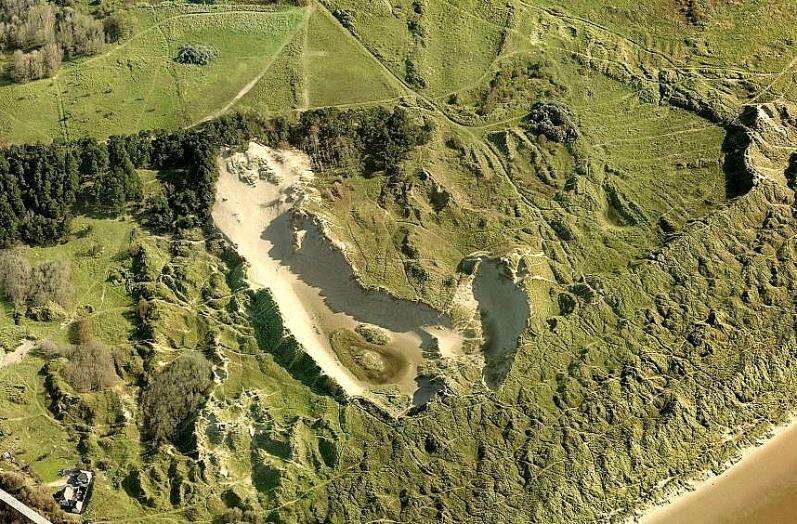
The ‘Devil’s Hole’ is a large active blowout that originated in the early 1940s at Ravenmeols Local Nature Reserve on the Sefton Coast dunes. Wind erosion produced two calcareous, seasonally-flooded, dune-slacks that are still growing. Their floristic development was studied between 2004 and 2022, annual changes being monitored from 2012. By 2022, a total of 179 vascular plants had been recorded, annual totals showing a tendency to level off after about 2015 and then start to decline, following a ‘hump-back’ model that describes a trend of species-richness during succession. Thirty-eight regionally or nationally notable taxa were listed (21% of the total), while only 8% of the plants were non-native, this low figure being attributed to the distance of the site from gardens. Particular features of the slacks include large populations of the Red-listed Grass-of-Parnassus Parnassia palustris, Early Marsh-orchid Dactylorhiza incarnata subsp. coccinea and Marsh Helleborine Epipactis palustris. Older parts of the blowouts were colonised by up to 15 taxa of willow Salix, including over 140 bushes of the nationally rare hybrid Salix ×friesiana. Analysis of fixed-point quadrats recorded in the larger slack in 2014 and 2019 were referable to rare UK National Vegetation Classification (NVC) communities of young calcareous dune-slacks. Between the two surveys, Creeping Willow Salix repens increased, while species associated with wetter slack habitat declined.
The site also supported breeding Natterjack Toads Epidalea calamita in wet years and a rich diversity of insects, including large populations of the Red-listed Northern Dune Tiger Beetle Cicindela hybrida and Early Colletes bee Colletes cunicularius.