Dr Phil Smith
Following a mild winter, March 2026 was the 10th warmest since records began in 1884. According to the Met Office, rainfall patterns continued to show strong month to month variability. Rachael Parks measured 53 mm of precipitation in her Formby garden, about 30% below average for March. There were 14 rain-days but only one really wet day, the 24th, when 15.75 mm were recorded. The sand-dune water-table, as measured at the Devil’s Hole, Ravenmeols, hardly changed during the month, reaching the fifth highest peak since 2015.
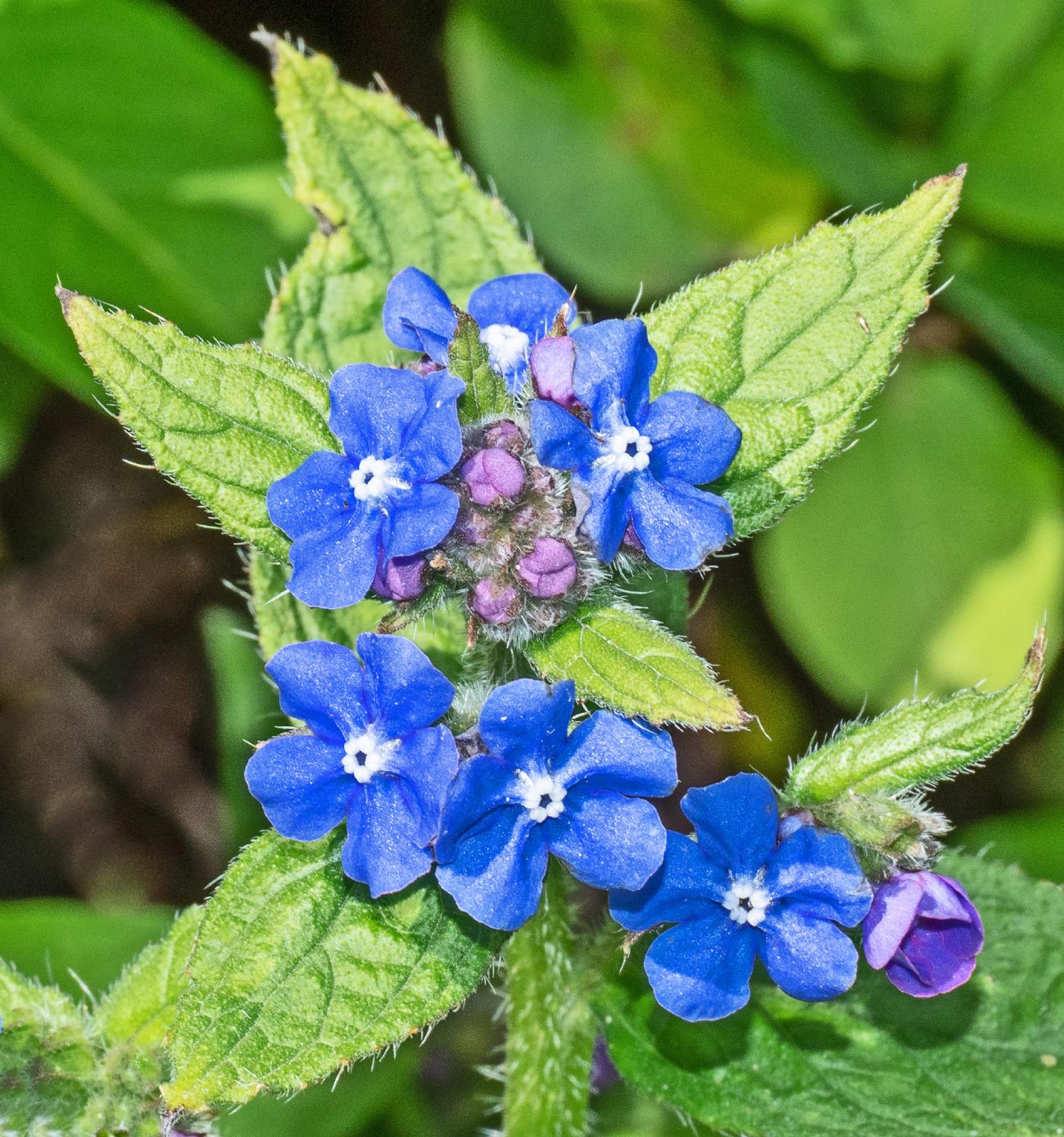
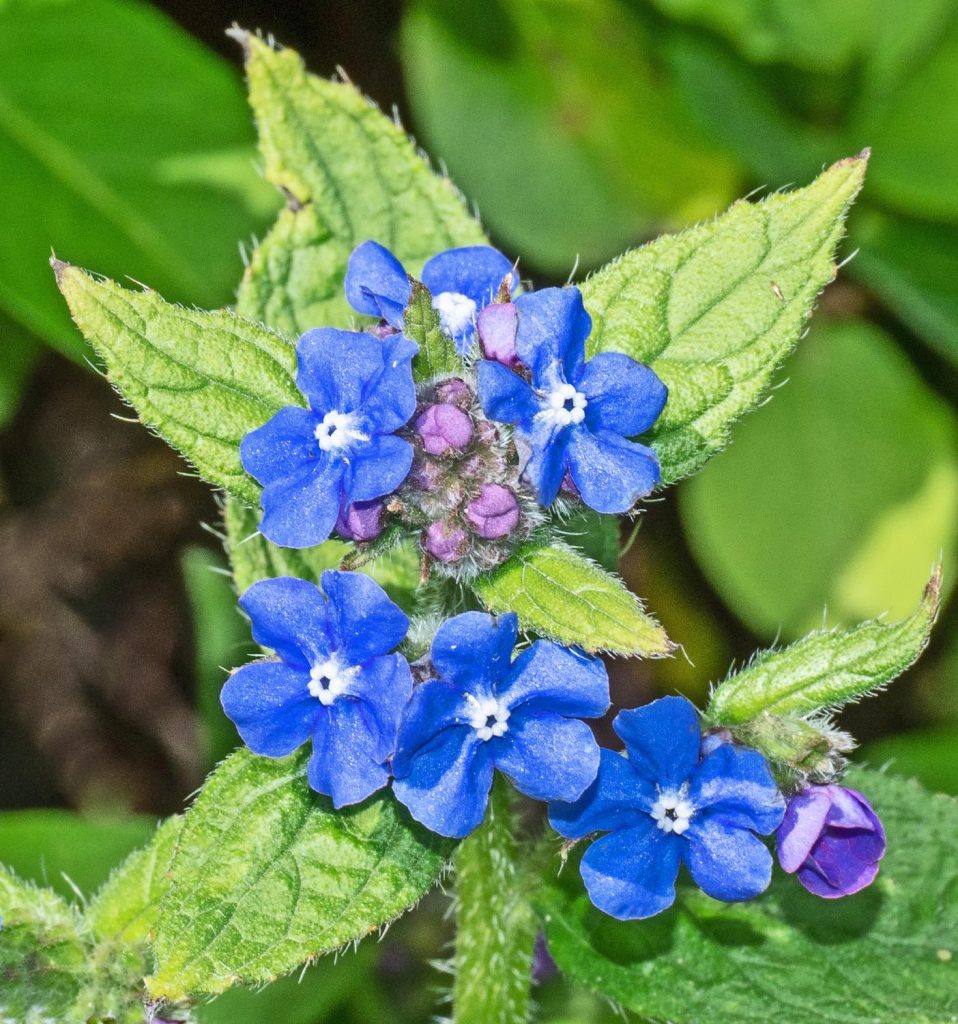
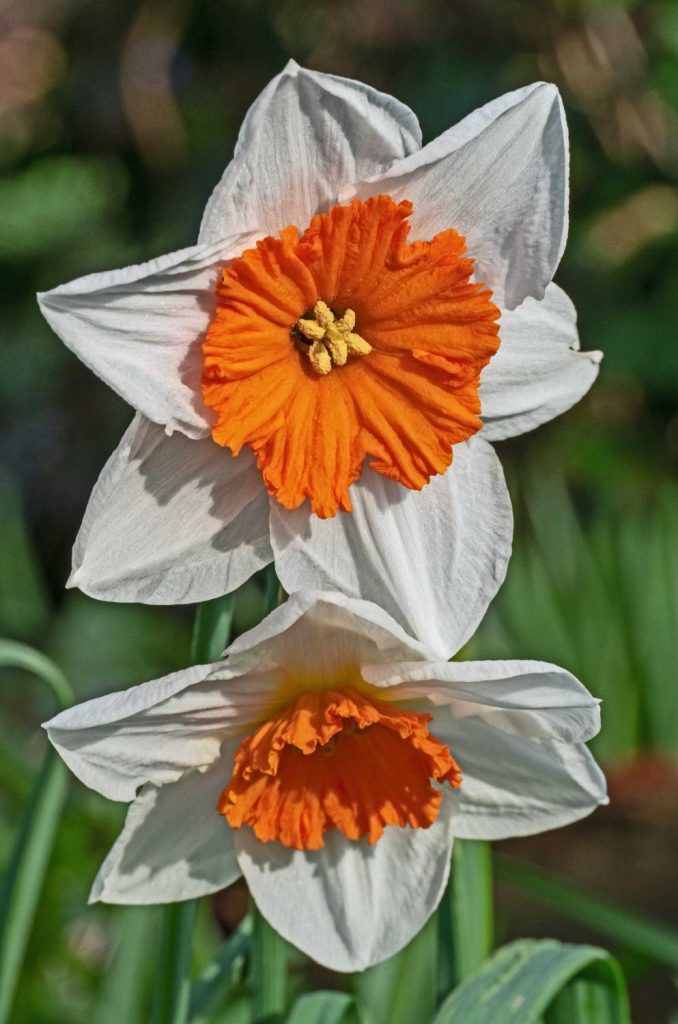
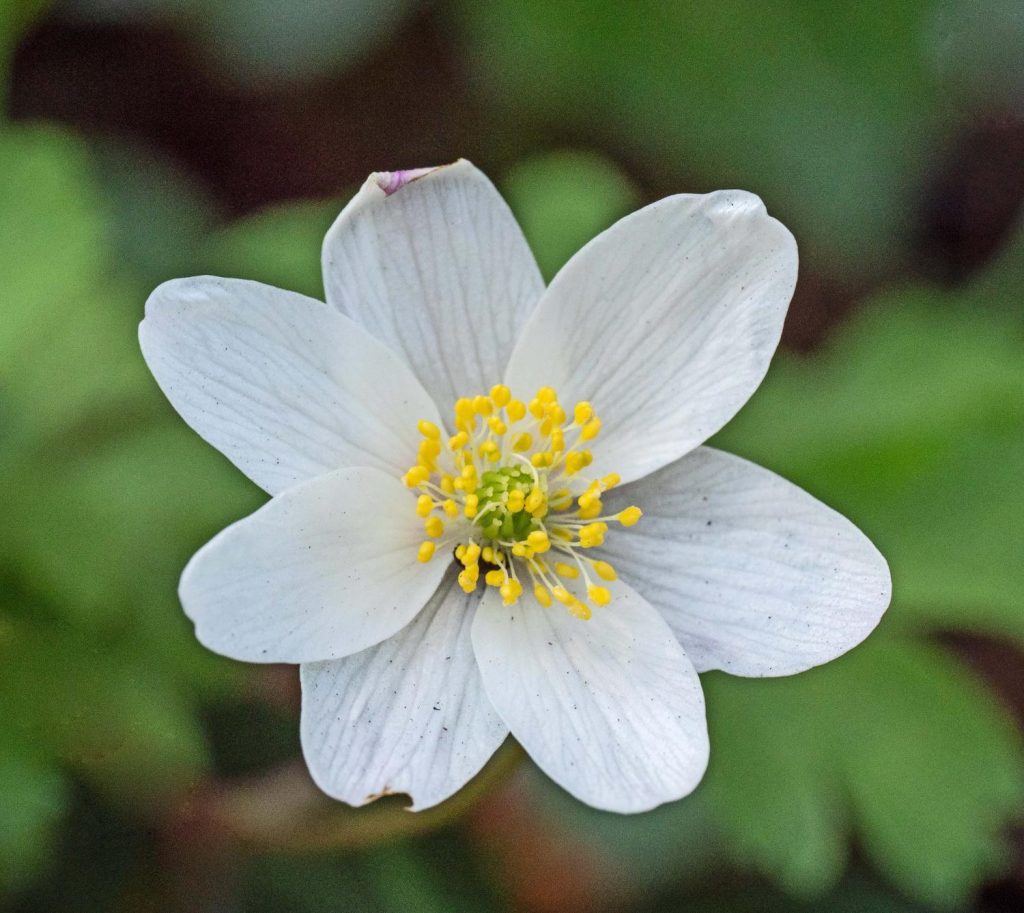
The onset of spring was heralded by the usual duneland flowers, my first Lesser Celandine appearing on 3rd. However, many spring blooms are garden escapes, including a bewildering variety of daffodil cultivars. Genuine wild Daffodils seem to be confined to a small population near the entrance to Ainsdale Sand Dunes National Nature Reserve. I counted 60 flowers, an encouraging increase on last year. Two naturalized non-natives that brighten spring hedgerows in the Formby area are the magenta or white-flowered Honesty and Green Alkanet; the bright blue flowers of the latter belie its English name. Both were well out by mid-March. Much rarer is the Summer Snowflake with its tall, elegant bell-like white flowers tipped with green. For several years, I have enjoyed two small but well-established patches of this beautiful garden-escape on the outskirts of Formby. One of these sites also supports populations of Wood Anemone and Ramsons, both native plants, though perhaps introduced here. Another familiar flower in March is the Sweet Violet, with a particularly large floriferous patch at Falklands Way dunes, Ainsdale. There is some dispute in the literature whether Sweet Violet is native or introduced; our plant is most likely to be a garden escape but is still a welcome addition to the local flora.
My annual visit to see the nationally rare Early Sand-grass on the Southport Marine Lake dunes was delayed until 30th. I should have known better, as this “smallest grass in the world” was pretty well over. Also, there was much less of it than I’m used to seeing, thanks to the usual conservation problem of vegetation overgrowth and scrub development. The Marine Lake dunes have some of the largest areas of Sea Buckthorn remaining on the coast, with at least seven stands totalling around 1.2 ha, as measured using Google Earth. This represents a 50% increase since 2021. There’s also a patch of Japanese Rose covering 15 x 17.5 m that escaped the recent coastwide clearance work by Dynamic Dunescapes. I am concerned that we could eventually lose the Early Sand-grass unless efforts are made to control the scrub invading its habitat in the Marine Lake dunes.
P. Kinsella
March sees the welcome arrival of some of our migratory song birds. I had a singing Chiffchaff on 18th but missed an influx of Wheatears from 21st. Several visits to Marshside on the Ribble Estuary coincided with the annual build-up of Pink-footed Geese on Crossens Marsh before their departure for Iceland. I estimated up to 5000 but, because they were so distant from the coast road, had problems finding the exceptional numbers of Barnacle and White-fronted Geese mixed in with the Pinkfeet. I eventually managed to spot 24 Barnacles and just three Russian Whitefronts but others had far more. There was also a biscuit-coloured leucistic Pinkfoot, while Hesketh Road, Marshside produced the long-staying Smew, a female Scaup and the usual singing Cetti’s Warbler. At least 1000 Icelandic Black-tailed Godwits going into their red summer plumage made an impressive sight, while I also counted 55 Avocets at Marshside on two occasions during the month. It is easy to forget that Avocets began to breed on the Ribble as recently as 2002, joining many other species responding to climate change.
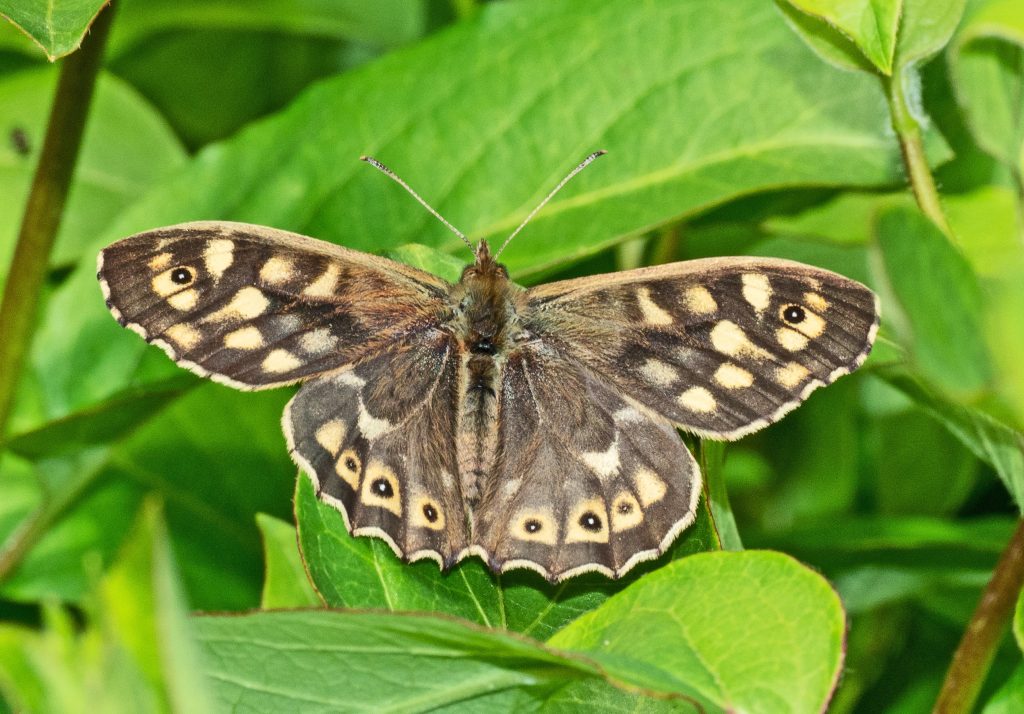
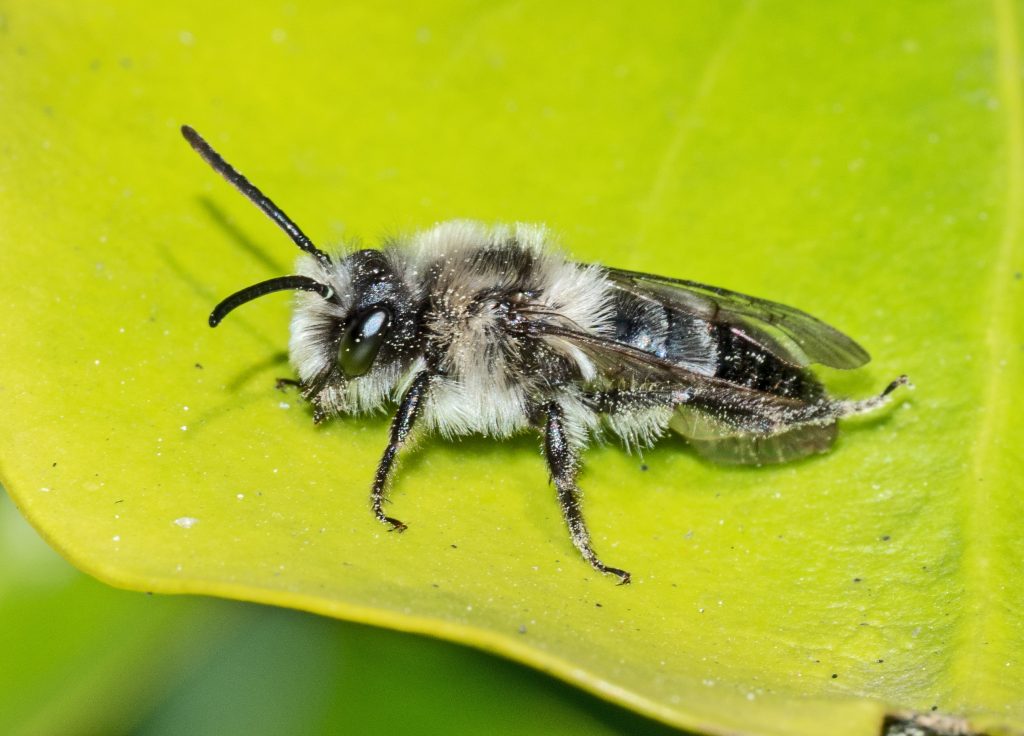
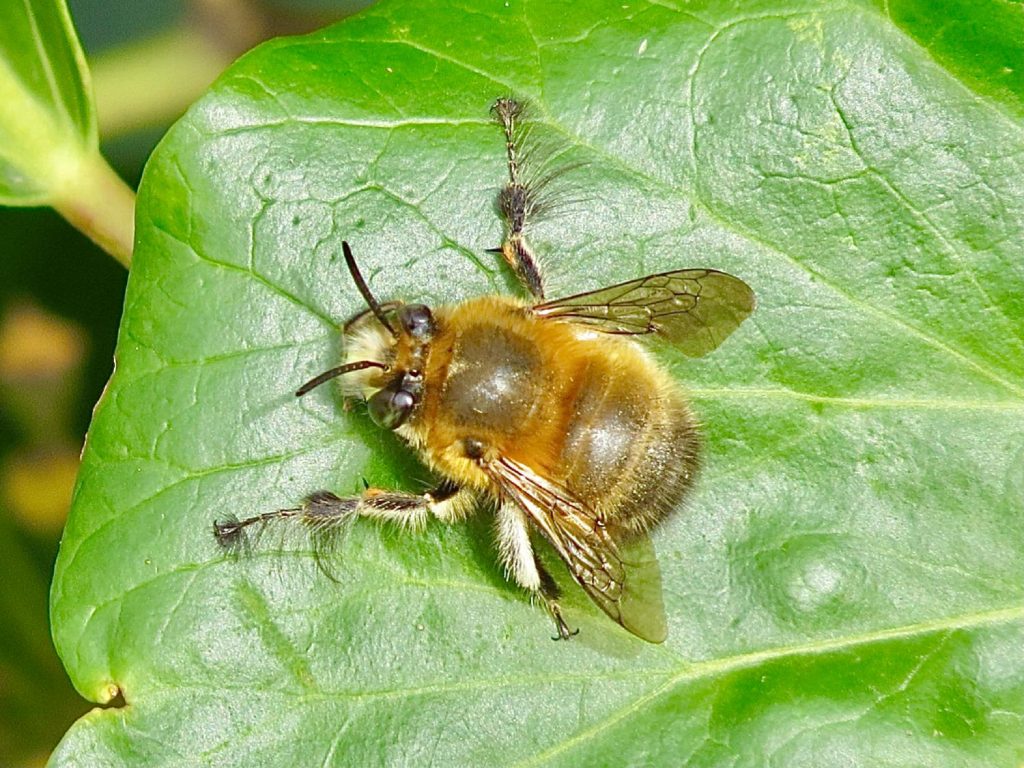
During the month, I made three visits to Alexandra Park in Crosby to catch up with some of the spring-flying insects that Pete Kinsella has been studying there since 2020. He has recorded a remarkable total of 60 hoverflies and a notable selection of solitary bees, amongst which is one of the park’s specialties, the Hairy-footed Flower-bee. It is named for the fringe of long hairs on the middle legs, which a recent TV documentary showed are used to stroke the female during a courting ritual. Another of Pete’s many outstanding finds was a Golden-haired Robberfly, a first for the north of England. Why this park is so good for insects is not immediately obvious; it is a typical suburban park with fringing woodland and areas of well-worn grassland supporting spring-flowering bulbs and ornamental shrubs. I saw several flower-bees during my visits, though getting photos was difficult as they are so active. Another solitary bee I was pleased to see was the Ashy Mining-bee in striking black and grey. Butterflies were represented by a few Peacocks and Commas, recently out of hibernation. I also photographed an early Speckled Wood at Wicks Path, Formby, on the last day of the month.
All images Phil Smith unless stated otherwise