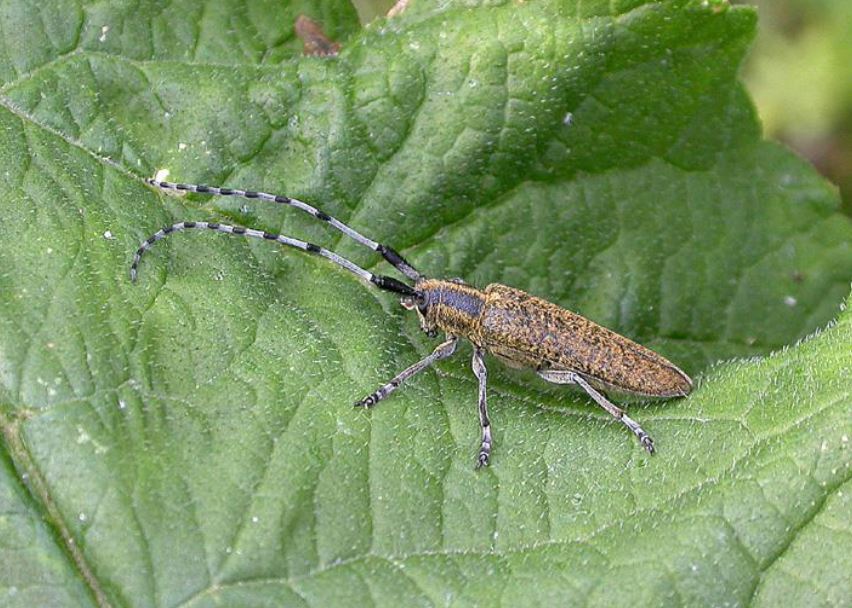
Golden-bloomed Grey Longhorn Beetle – Agapanthia villosoviridescens

This species is found mainly in moist meadows and hedgerows where adults feed mainly on umbellifers such as Heracleum sphondylium (Hogweed) and Anthriscus sylvestris (Cow Parsley). It is also found on nettles and thistles. Their flight time is May to August but numbers peak in May and June. It is a stem boring species who’s...
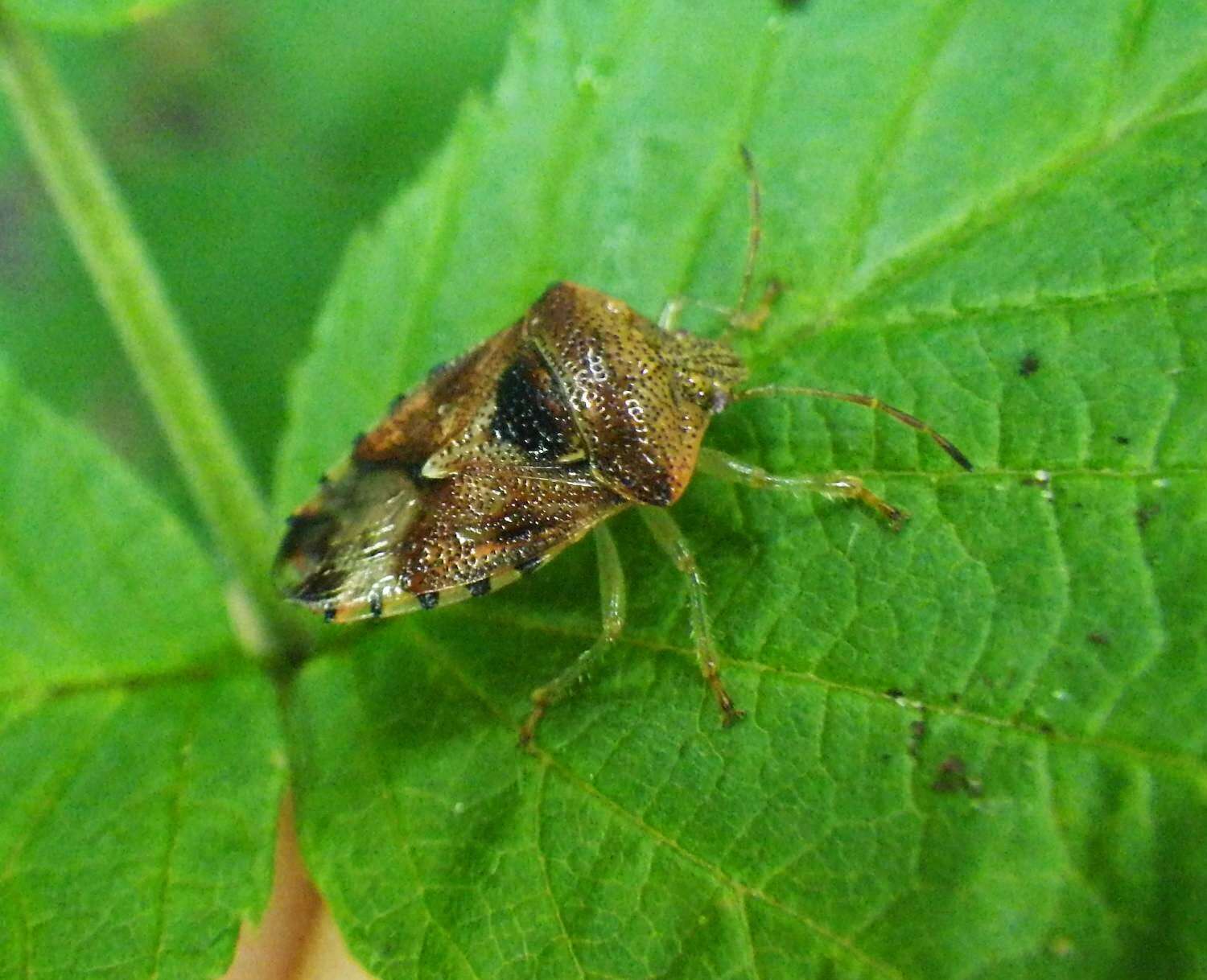
Status of shieldbugs on the Sefton Coast, north Merseyside

Comprising the families Acanthosomatidae, Scutellaridae, Cydnidae, Thyreocoridae and Pentatomidae, shieldbugs comprise one of the most easily recognised groups of true bugs (Hemiptera, Heteroptera). About 43 species have been recorded for Britain and Ireland but a high proportion has a southern and eastern distribution. In common with several other insect groups responding to warming temperatures (Stewart...

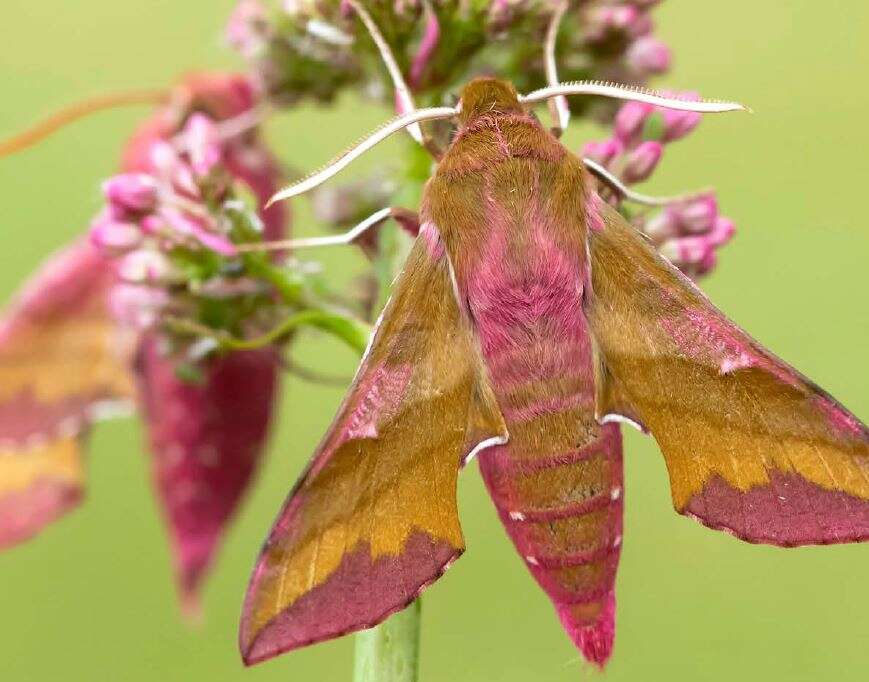
The State of Britain’s Larger Moths 2021

The world is facing a biodiversity crisis. An estimated one million species are threatened with extinction¹, vertebrate populations decreased by 68% on average between 1970 and 2016² and globally agreed targets to reduce the pressures on biodiversity have not been met³. The trends of insects, which make up at least 60% of all species on...

Vice-county Checklist: Picture-wing Flies

This spreadsheet provides separate checklists for the picture-wing flies of VC58 (Cheshire), VC59 (South Lancashire) and West Lancashire (VC60) as at December 2021. For further details including the sources of data, national conservation status and the definition of “occurrence” see: Brighton, P. 2021. The Diptera of Lancashire and Cheshire: Picture-wing Flies (Opomyzidae, Pallopteridae, Platystomatidae, Tephritidae,...

Scroll to top