After a largely insect-free winter, I always look forward to March when things really begin to kick off. On 7th I was pleased to find a Greater Spring Blacklet basking on Ivy in woodland at Freshfield. This was a fairly early record of a widespread spring-flying hoverfly that mimics solitary bees.
Five decades of finding the UK’s rarest breeding birds
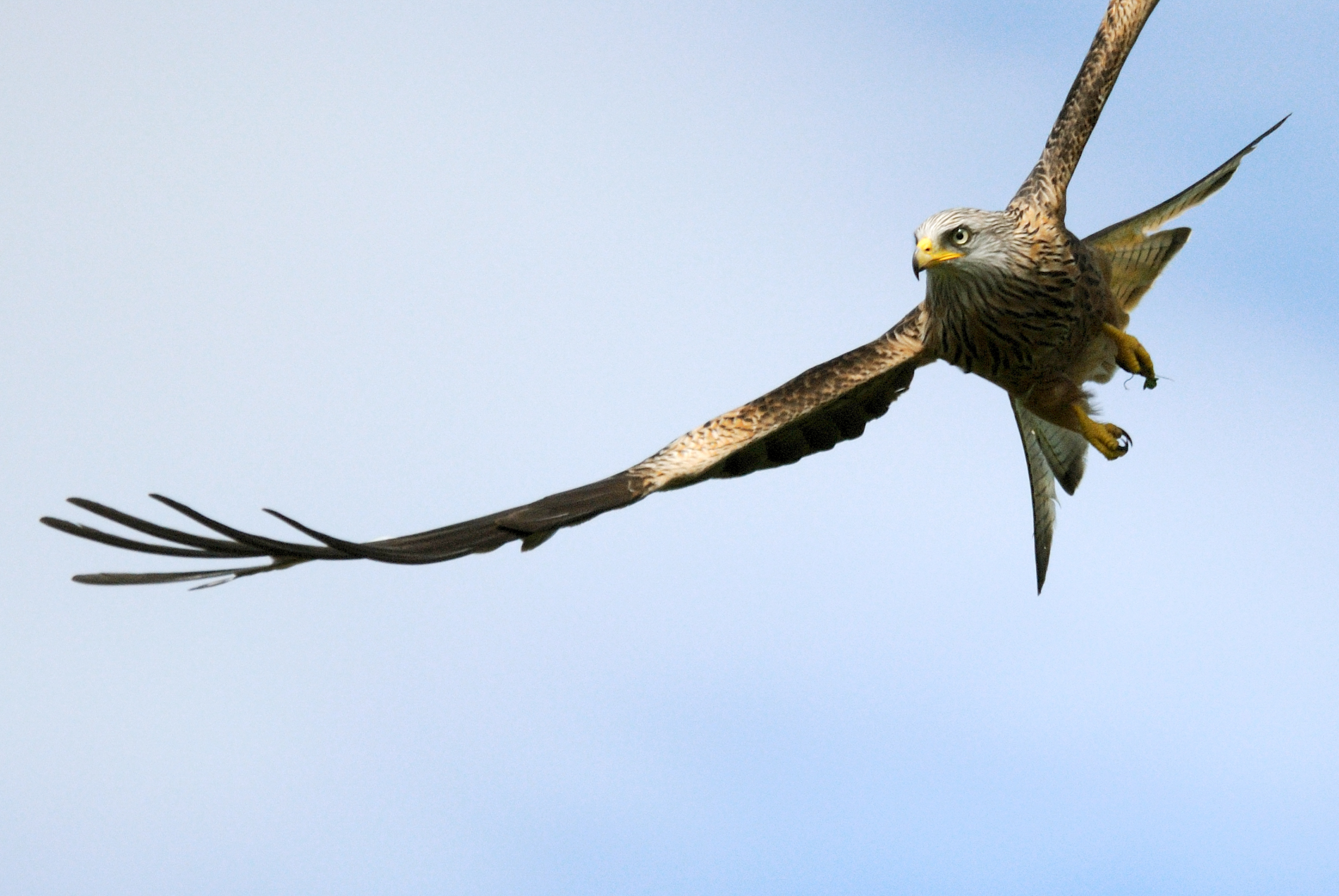
The Rare Breeding Birds Panel (RBBP) was founded 50 years ago this month. It uses data, mostly collected by volunteers, to track the fortunes of around 100 of the UK's rarest breeding species, including Golden Eagle, Crane and Turtle Dove. The Panel's work informs a wide range of conservation and monitoring work, including the reintroduction of Red Kite and White-tailed Eagle, and assessments of Sites of Special Scientific Interest and Special Protection Areas.
New report paints a mixed picture for Northern Ireland’s internationally important seabirds
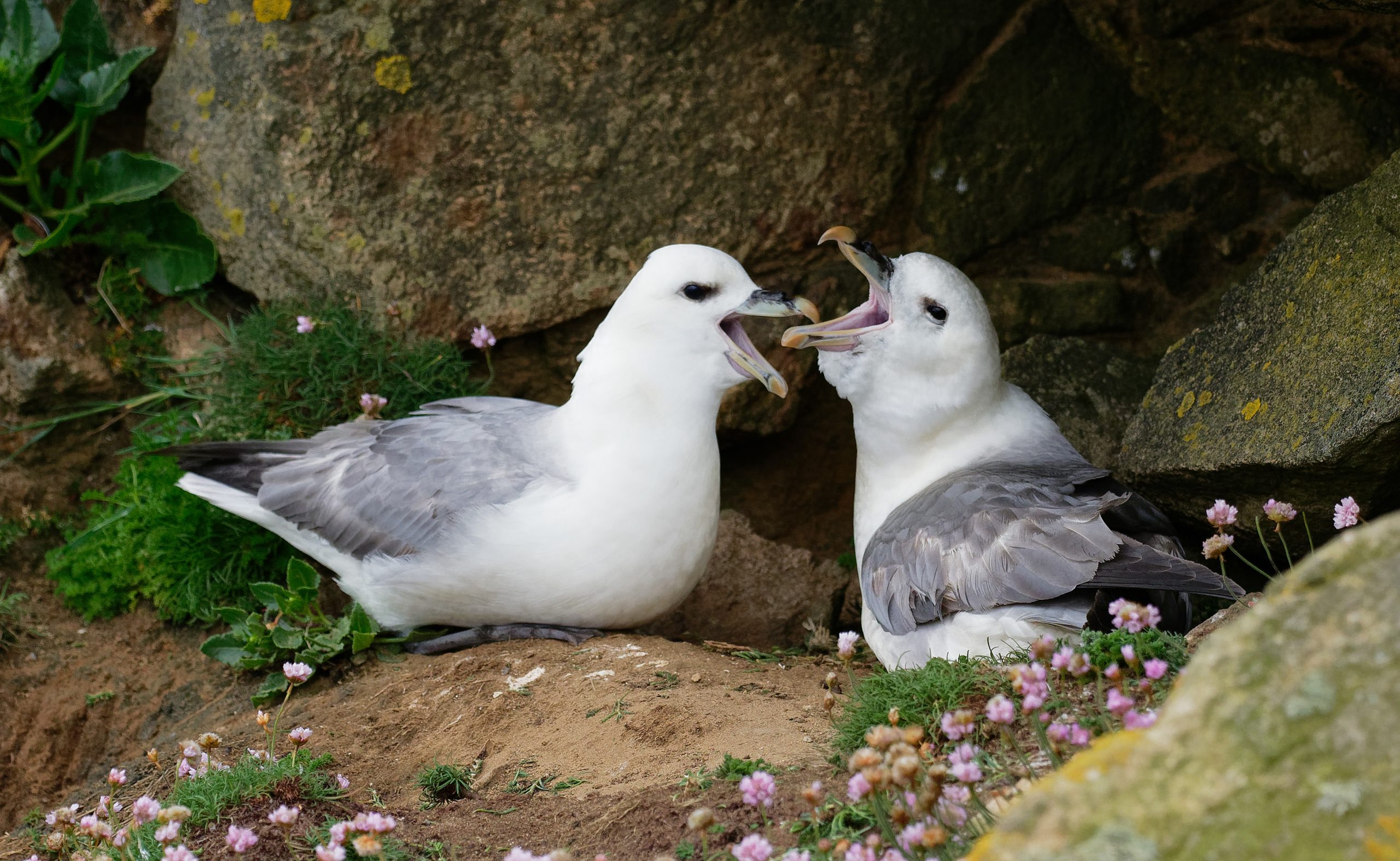
The tenth annual Northern Ireland Seabird Report has been published today by the British Trust for Ornithology (BTO). It shows very different results for two species classified by the IUCN as Vulnerable at the European level, Fulmar and Kittiwake, as well as reporting concerning information on the breeding success of Common Terns.
Dr Phil Smith Wildlife Notes: February 2023
In contrast to last February’s three named storms in a week, this month was dominated by persistent high atmospheric pressure. As a result, there was measureable rain in Formby on only three days. The Met Office tells us it was the driest February in England since 1993, some places registering only 1.6 mm since 15th January. Most UK rivers are running well below normal levels, meaning less water for agriculture, water-supply and nature.