Dr Phil Smith
Consistent with a warming trend, England experienced the second hottest May ever, a heatwave in the last week reaching a record May peak of 35.1oC at Kew Gardens, London. Fortunately, it wasn’t quite as hot here, though Crosby reported a blistering 33oC on 25th. It was also a relatively dry month, Rachael Parks measuring 55 mm of rainfall in her Formby garden, about 25% lower than average, though 22 rain-days was far more than usual. The sand-dune water-table, as measured at the Devil’s Hole blowout, dropped by about 11 cm.
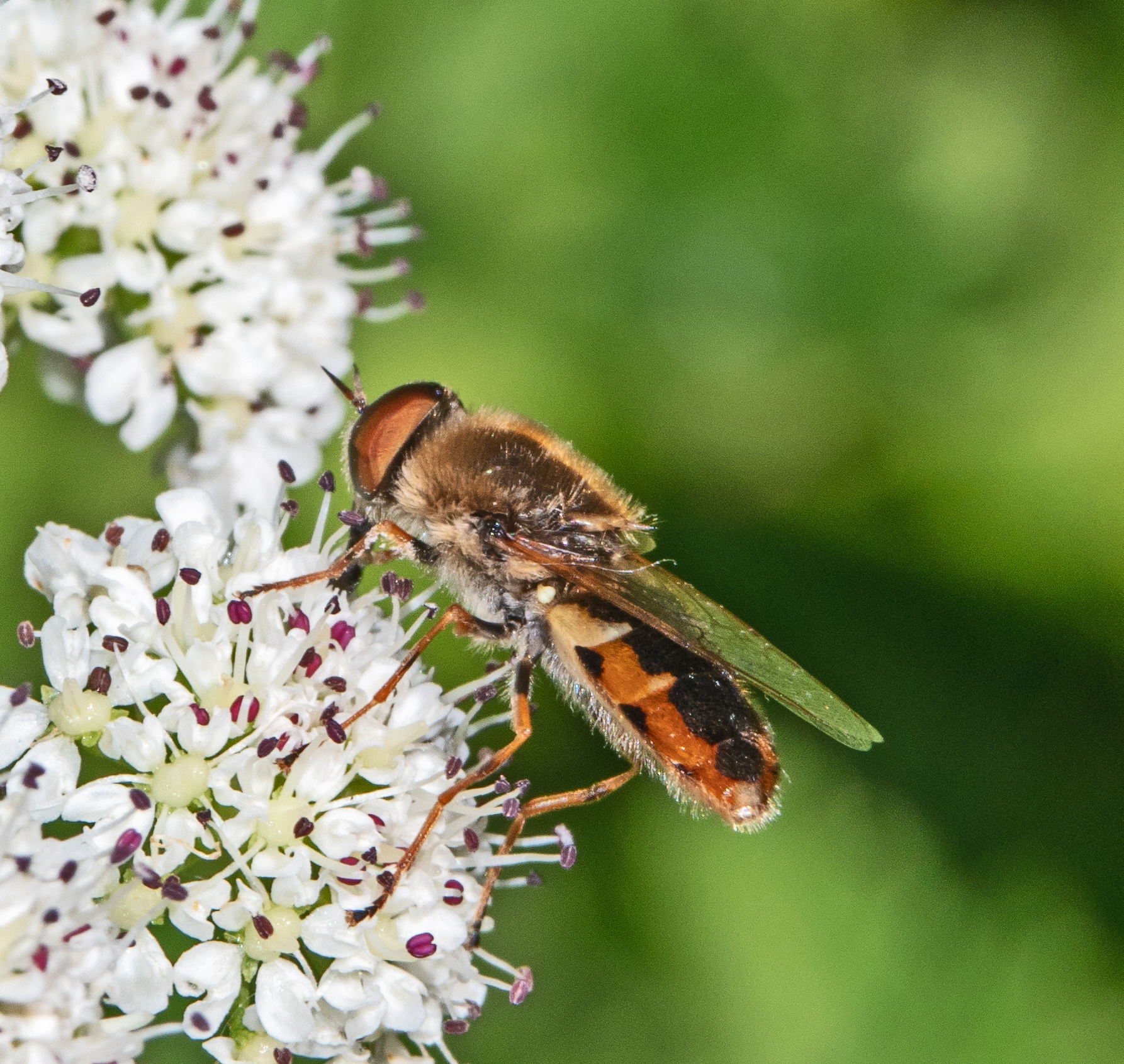
Our crazy weather had important effects on local wildlife, especially the insects that are my special interest. Early in the month, numbers and variety seemed normal. Thus, I counted 18 Dock Bugs on 2nd during a short walk on the outskirts of Formby. Similarly, on 5th, I photographed seven species of hoverfly in a suburban garden in Derby Road, Formby. Over the next few days, numbers, especially of hoverflies, crashed, as reported all over the country. Only during the last few days of May did numbers begin to pick up again. The reasons are not fully understood but may have included effects of the April drought and low overnight temperatures in early May.
There were exceptions of course; dragonflies did well; they like it hot, so enjoyed the daytime warmth. Regular visits to Alt Bridge over Downholland Brook were rewarded with good numbers of Banded Demoiselles and Large Red Damselflies, my highest counts being 18 and 29 respectively. However, things really got going during the heatwave. On 25th, I had decided it was too hot for field work but a frantic phone call from Pete Kinsella changed my mind. He was watching two rare vagrant dragonflies, a Lesser Emperor and a Red-veined Darter, on the boating lake at Crosby Coastal Park. Although the views weren’t great, I saw both; in fact, we confirmed there were two Lesser Emperors. In baking heat, we then walked over to a pond in the Marine Gardens. It seemed quiet but then a large dragonfly flew past – it had brown wings and green eyes – a Norfolk Hawker, probably a first for the Sefton Coast. What an afternoon!
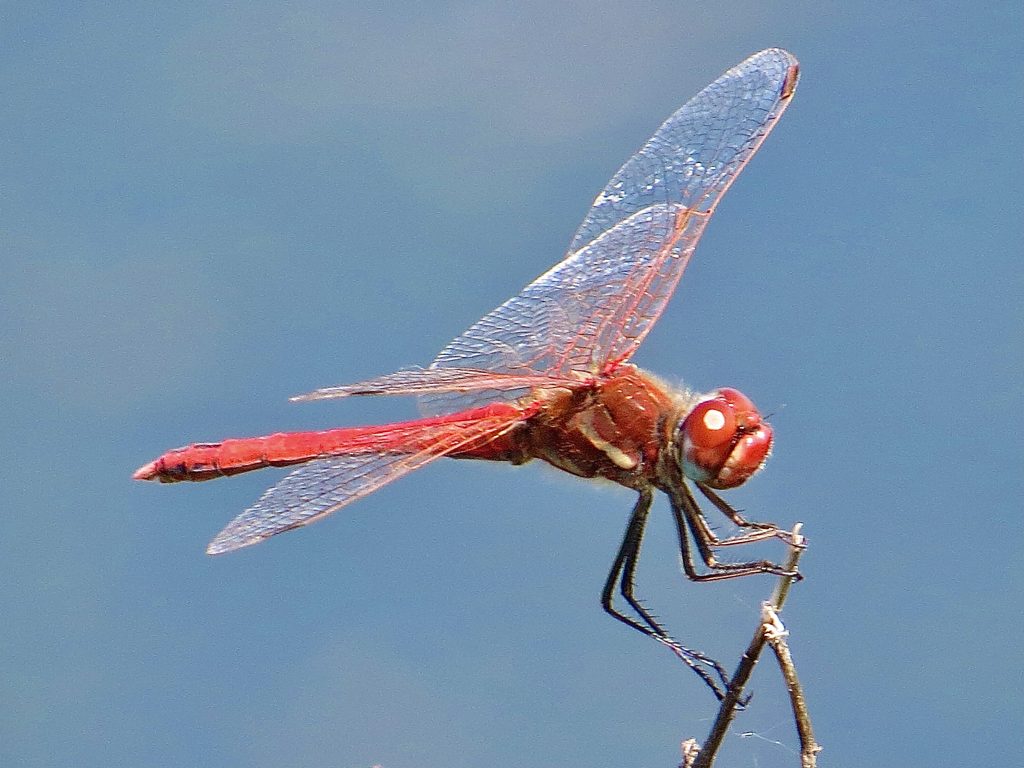
Image credit Pete Kinsella
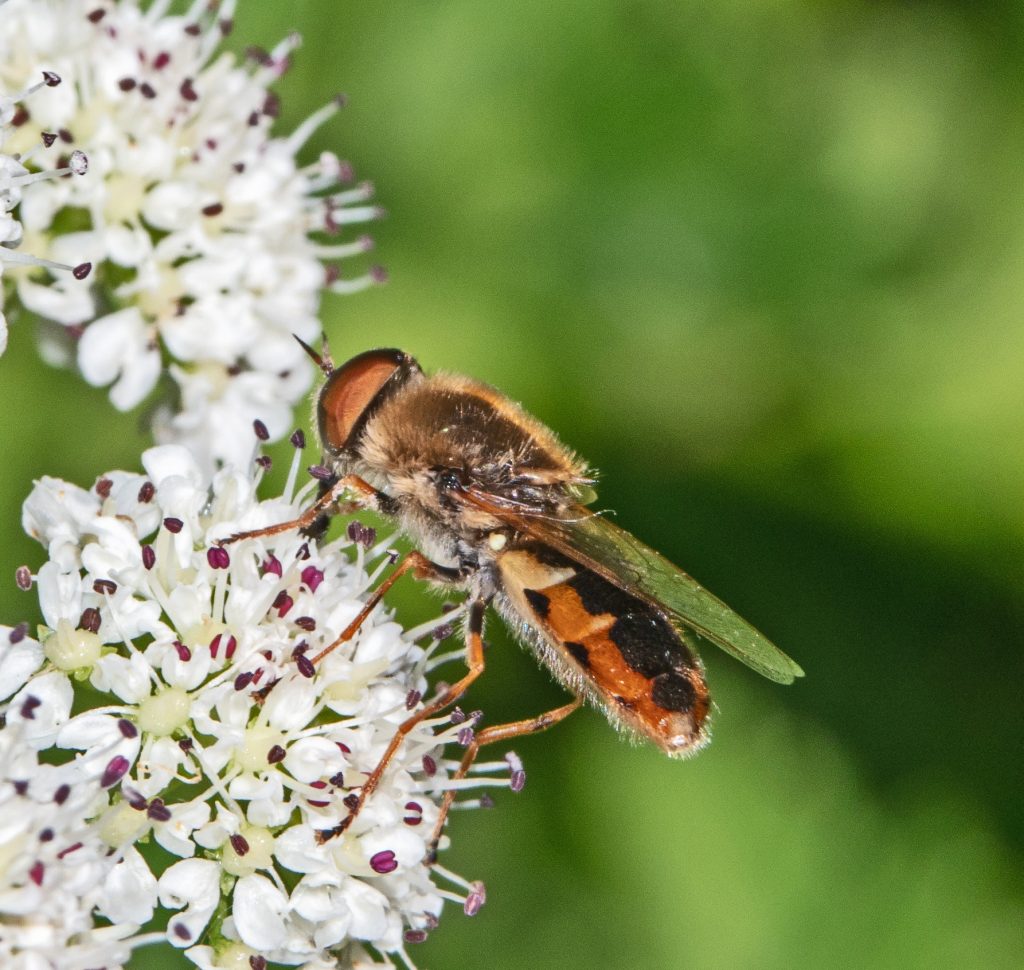
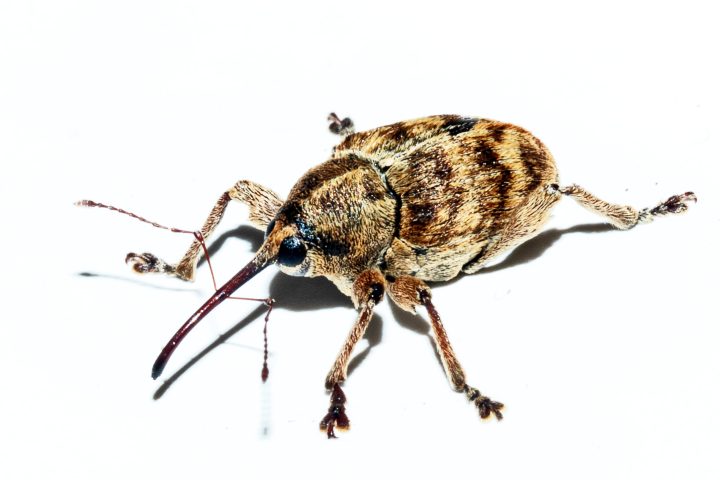
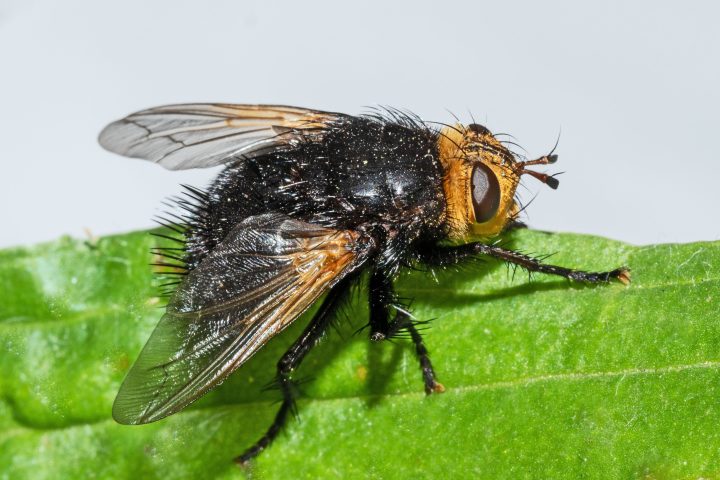
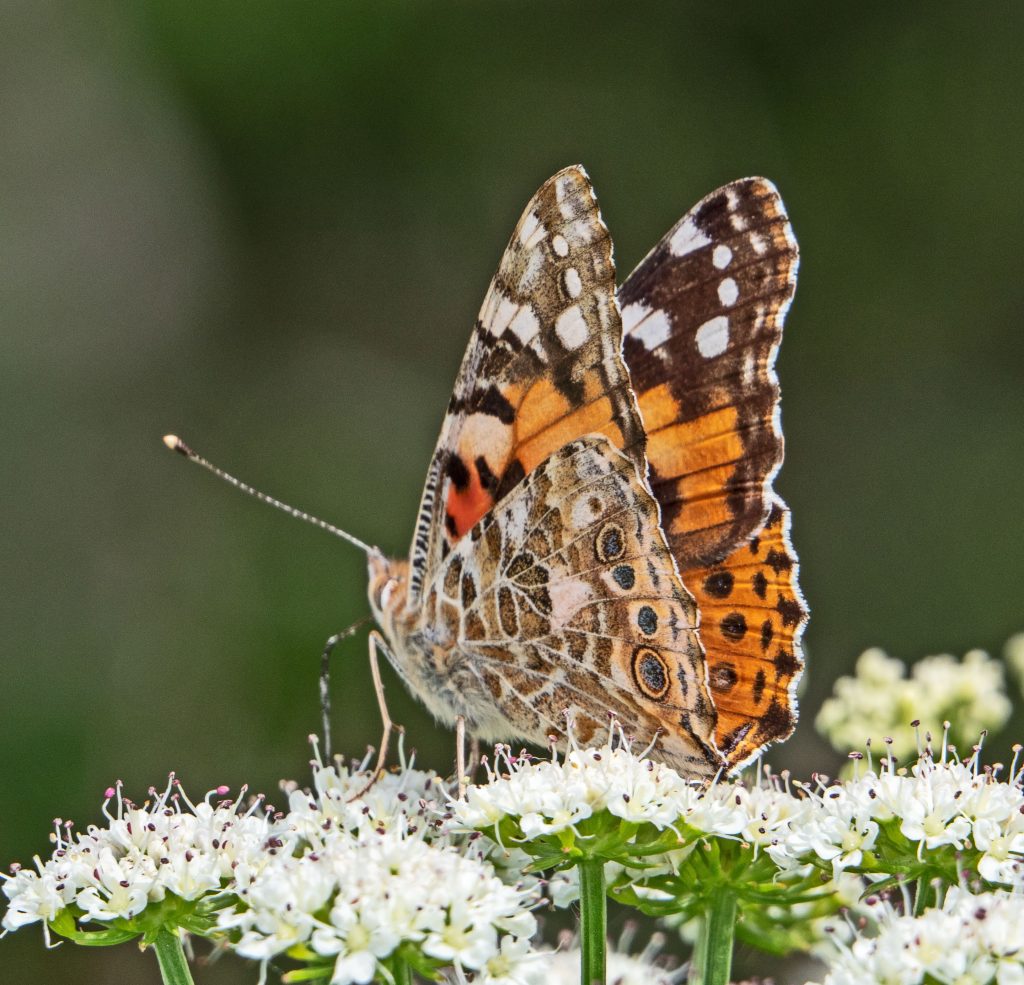
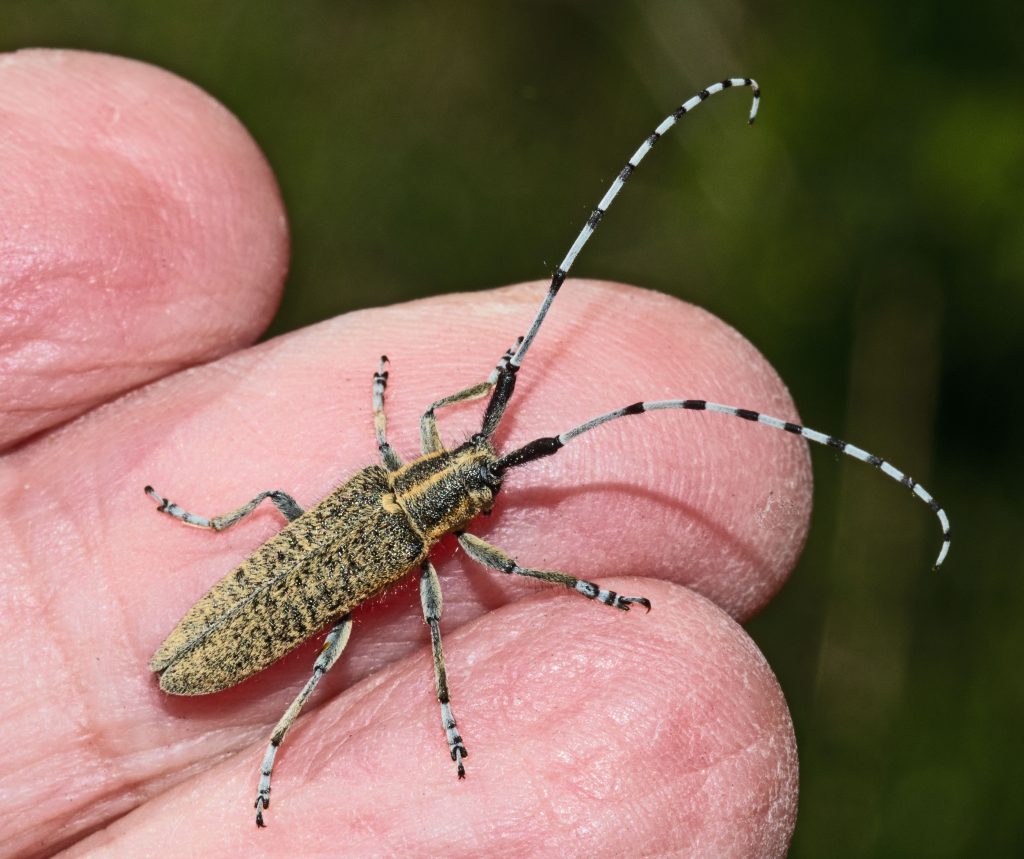
On 29th I experienced the results of persistent southerly winds at Sands Lake, Ainsdale, where the mass flowering of umbellifers attracted a large colourful fly that I didn’t recognise. Photographs pinned it down to a male Ornate Brigadier, a southern soldierfly with no previous sightings in the Northwest of England. “The find of the year!” according to Pete Kinsella. Sands Lake also saw an influx of freshly emerged Painted Lady butterflies, contrasting with the few worn migrants seen earlier in the month. Other highlights, included a rare Pine Longhorn hoverfly on its usual tree trunk at Ravenmeols and two spectacular Golden-bloomed Grey Longhorn Beetles, also at Ravenmeols.
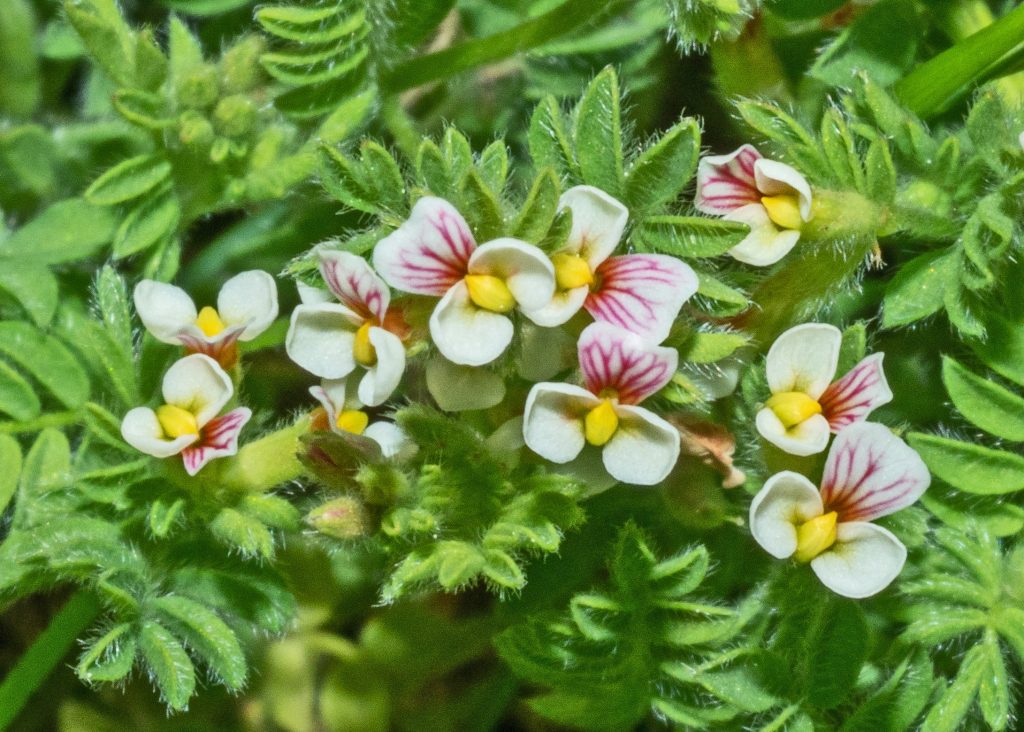
Occasional showers were just enough to maintain our special dune vegetation, including the rare Clustered and Knotted Clovers on the Thornbeck Avenue verges, Hightown. These small annuals were prolific, especially on an area with a reduced mowing regime arranged by Green Sefton’s John Dempsey. Botanist Robert Freeth came over from Wirral on 26th to see the clovers and other specialties at Hightown. There was more Burnet Rose than I ever remember on the dunes, while the brick rubble ‘shingle’ had lots of Rock Samphire but only one plant of Yellow Horned-poppy. The British endemic Isle of Man Cabbage was flowering well on dune ridges near the shore. The following day, I counted at least 25 plants of the latter in the northern Birkdale dunes, where they were transplanted from a threatened site at Blundellsands in 2011. The lawns and carpark edges where I live in eastern Formby also provided a remarkable showing of rare plants, namely Smooth Cat’s-ear, Heath Dog-violet (both Red-listed ‘Vulnerable’), Trailing St John’s-wort, Early Forget-me-not, Stender Trefoil and Bird’s-foot (all ‘Species of Conservation Importance’). No doubt these would be described as “weeds” by the general public!
One of my projects during May was to revisit invasive Traveller’s-joy on the Ainsdale dunes to check the effectiveness of last summer’s control programme. All of a sample of 22 patches showed evidence of regrowth, which I assessed as ‘small’ (27%), medium (23%) or ‘large’ (50%). Evidently, all the patches mapped by volunteers in 2024 will need to be re-treated, so I was pleased to hear that this work is to go ahead. While monitoring the Traveller’s-joy, I couldn’t help noticing the enormous patches of another garden-escape, Broad-leaved Everlasting-pea, invading the same area of dunes. This will also need attention.
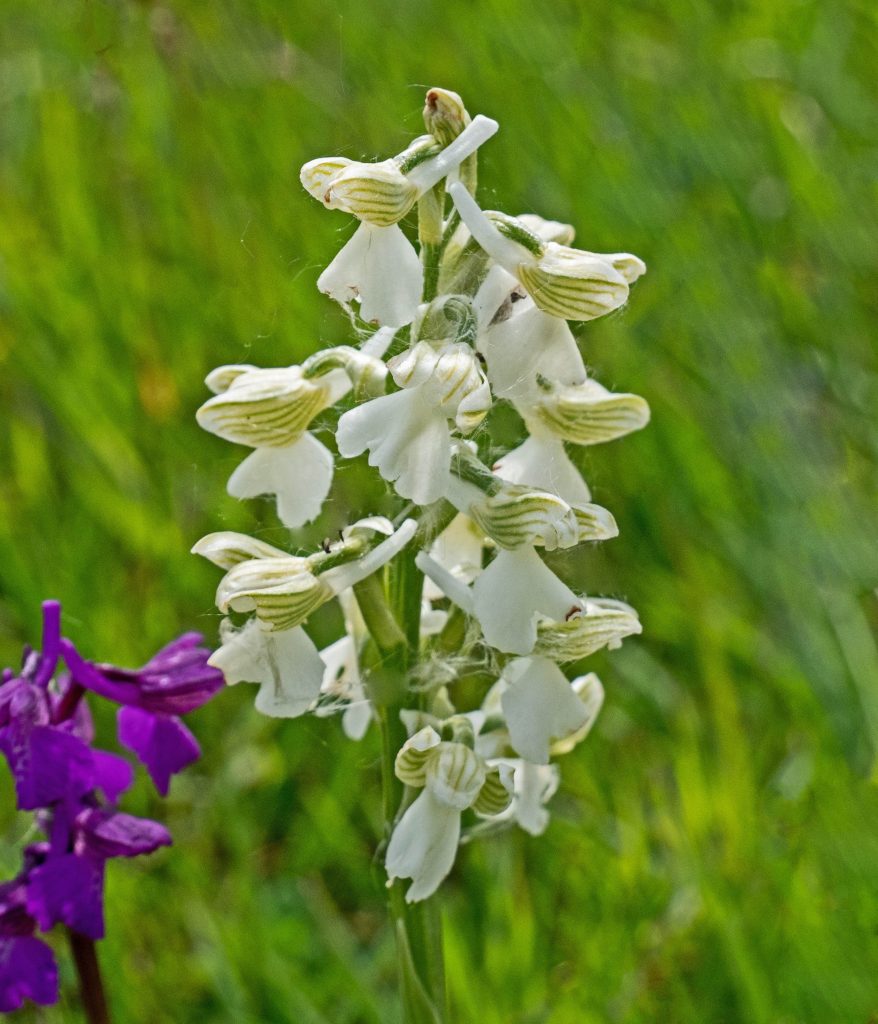
Finally, I was delighted to attend the first meeting of the reconstituted Altcar Training Camp Conservation Group. Formed in the 1980s, the Group actively monitored the rich wildlife of the Altcar ranges, providing expert guidance on its conservation. The new Commandant, Major Carl Gardner, fully supports this approach, so long as it doesn’t interfere with training objectives. After the well-attended meeting we walked across the ranges to view the thousands of rare Green-winged Orchids that have flourished since the mowing regime was modified to allow them to flower and set seed. This is easily the largest population in the Northwest.
All images Phil Smith unless stated otherwise