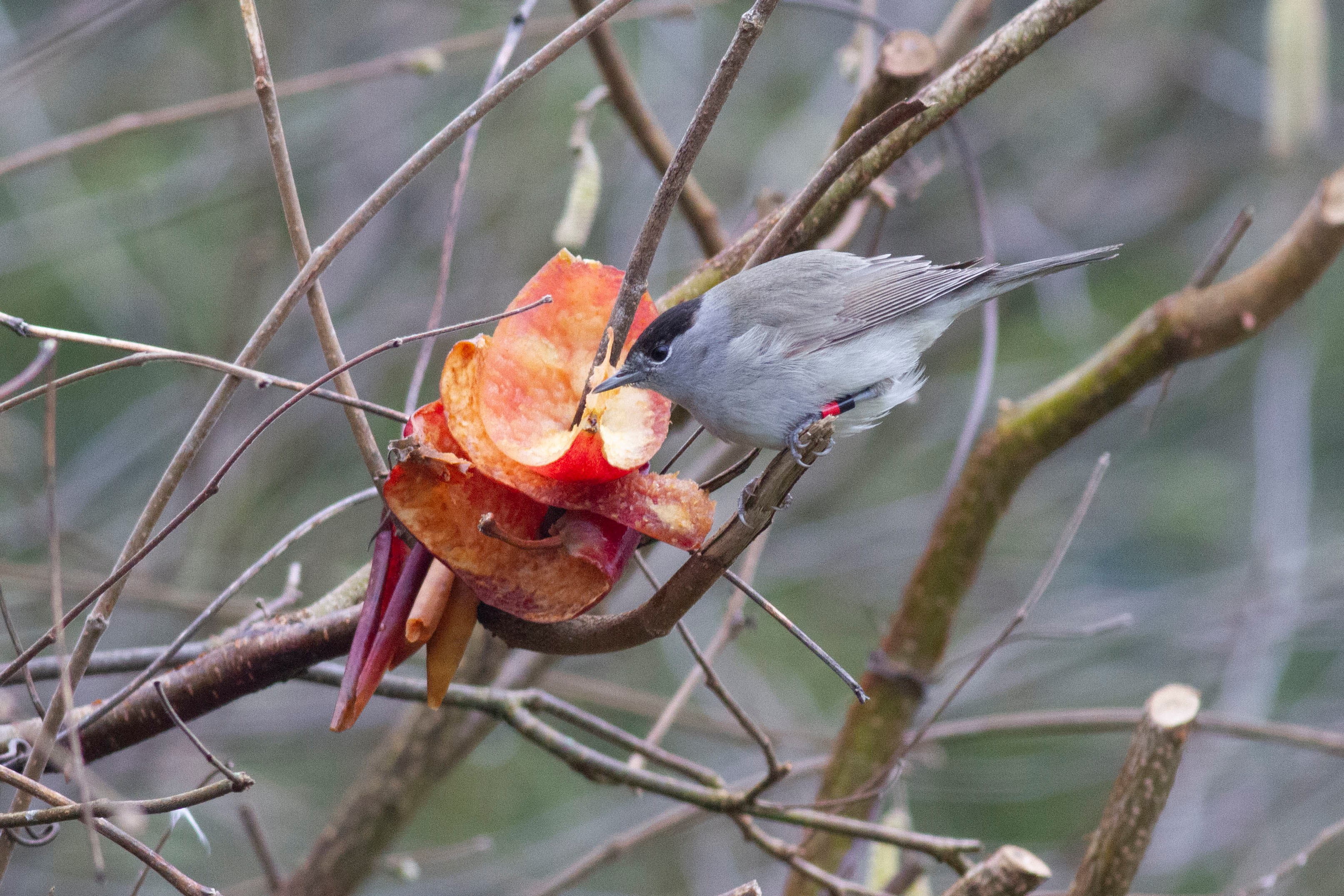
The allure of garden feeders has transformed the biology of a bird that visits Britain and Ireland for the winter. New research involving the British Trust for Ornithology (BTO), Oxford University and the Max Planck Institute, and just published in the journal Global Change Biology, provides further evidence of how humans are shaping the natural...
Dr Phil Smith: Wildlife notes March 2021
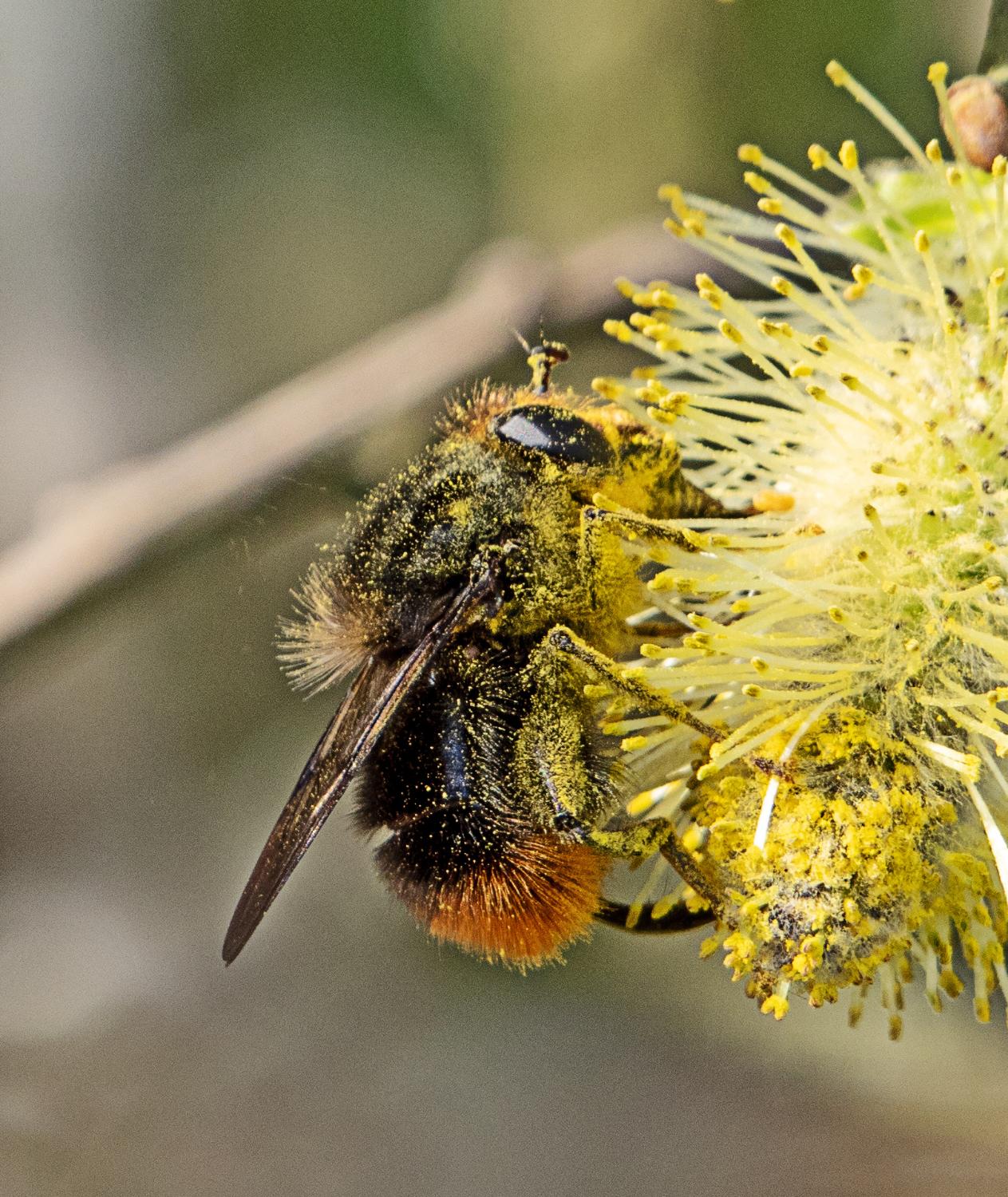
March was a relatively dry, settled month with measurable rain on only 10 days. However, wetter conditions from 9th to 16th raised the water-table at the Devil’s Hole to the highest level since I started measuring it in October 2015. The usual spring high pressure became established towards the end of the month, the warmest...
Dragonflies & Damselflies of North Merseyside by Steve White
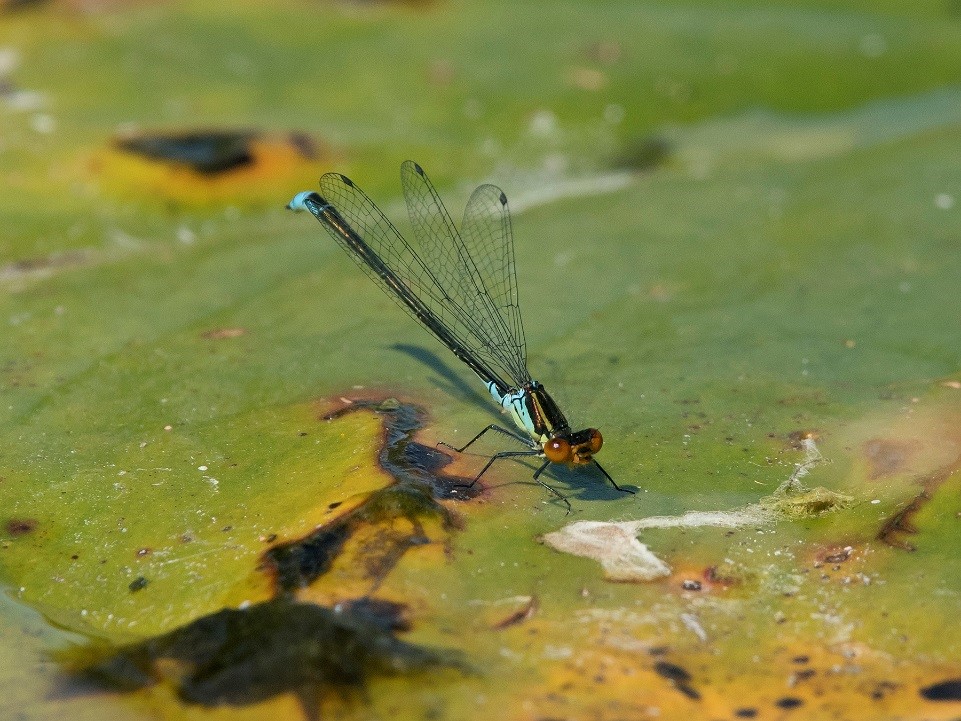
North Merseyside has a rich variety of wetland habitats suitable for dragonflies and damselflies, ranging from garden ponds to rivers, canals and streams and several large nature reserves. It also has a large and increasing number of dragonfly recorders and we currently hold almost 11,000 records – probably more than for any other group of...
Spiky bog-moss record by Dan Foy
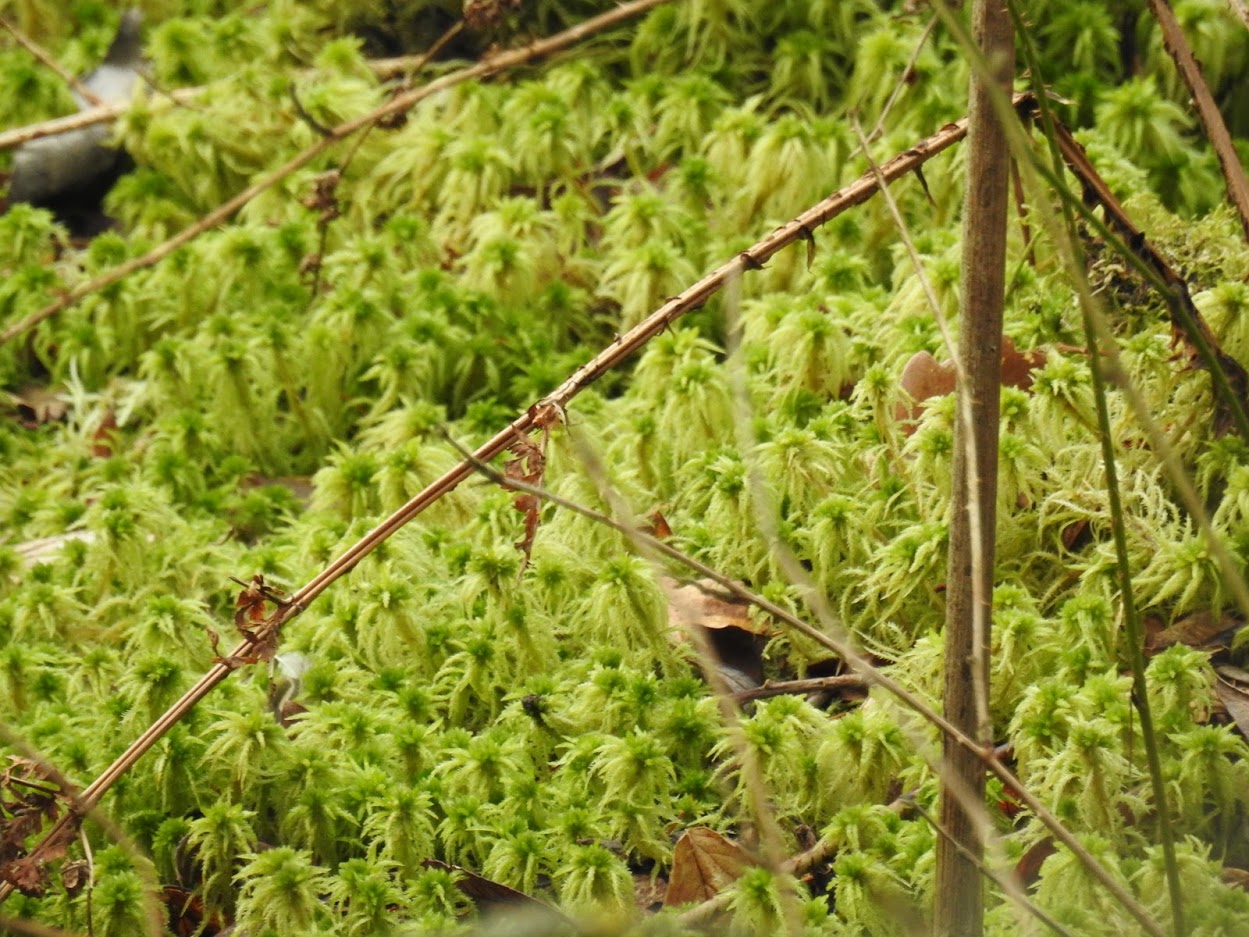
All records of Sphagnum in the Merseyside area are rare and indeed very noteworthy, so to find this was a real pleasure, however, Sphagnum squarrosum is a real treat! The species was thought to be extinct in Merseyside; and according to the BBS database, the last known records (located around Formby area) were pre-1950! It just goes...