In contrast to earlier months, our rainfall in September was about average, with measureable amounts on 12 days. There were even four properly wet days, something we hadn’t experienced for a long time. Despite this, the sand-dune water-table rose by only 3 cm, probably because the soil was so dry. The Met. Office tells us that the first nine months of 2022 were the warmest since records began in 1884, while it was also the driest year, so far, since 1959. These figures are consistent with a warming trend in Britain, due to climate change that is happening more quickly than predicted.
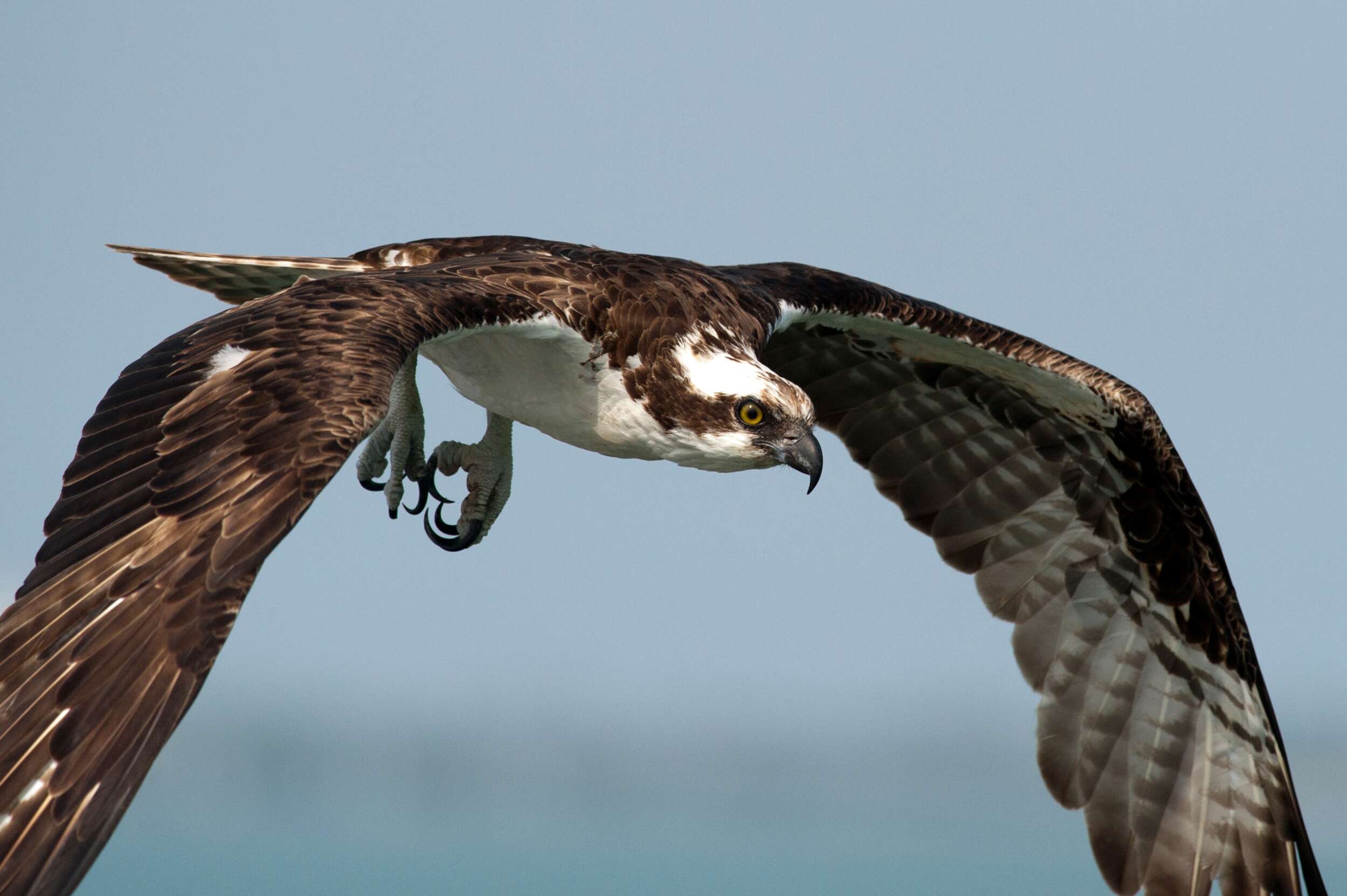
Birds lead the way, say scientists calling for international cooperation on migrant species
Scientists from the British Trust for Ornithology (BTO) have helped to reveal which African and European nations are linked by the birds that migrate between them each year. Many species of migrant bird are declining – this new approach will allow scientists and policy-makers to pinpoint where collaboration is needed to protect them, the authors...
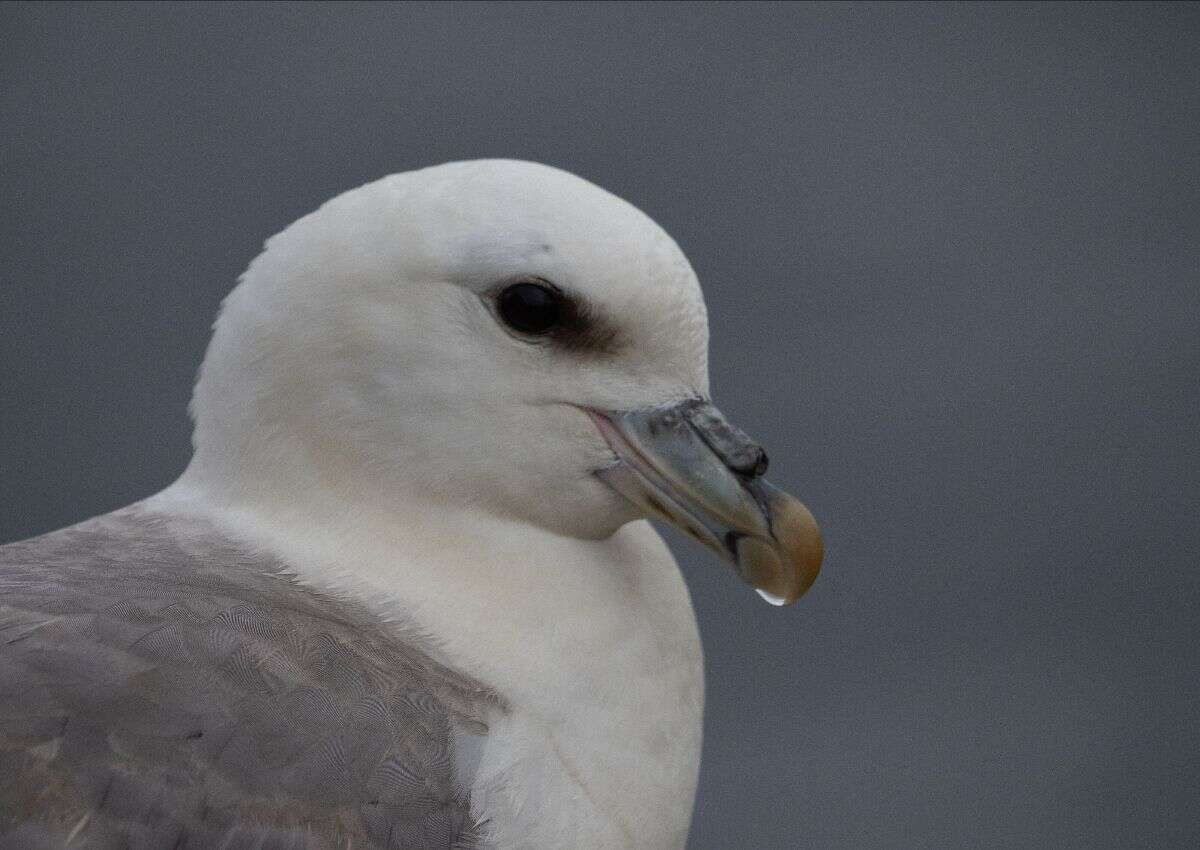
45-year-old seabird highlights impact of Avian Influenza
At 45 years old, a Fulmar recorded on an uninhabited Scottish island is one of the oldest of its kind ever recorded. The bird’s extraordinary age is a reminder that many seabirds live for a very long time – a trait that can make their populations particularly vulnerable to the impacts of Avian Influenza (AI)....
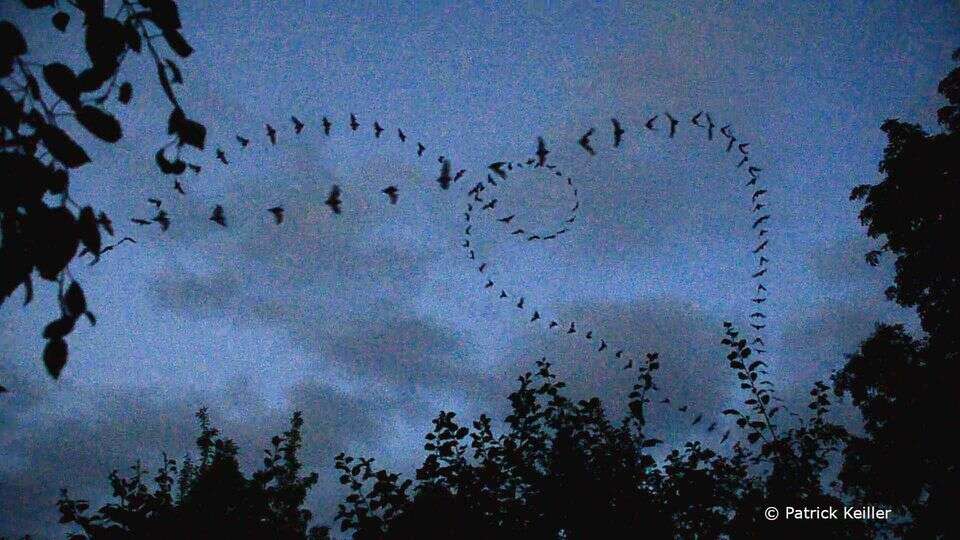
Local variations in fortunes of common pipistrelle – emerging patterns
Bat Conservation Trust Research - Common pipistrelle appear to be on the path to recovery thanks to legal protection and conservation action over the last few decades but there are unexplained local variations.