The LCR Ecological Network Way back at the tail end of 2016 the Liverpool City Region and West Lancashire approved the creation of an Ecological Network. The information behind this Network was in part backed up by the wildlife recording effort of the many individuals regularly sending in their wildlife sightings to us or otherwise...
Dr Phil Smith: Wildlife Notes February 2018
There was measurable rain on 10 days in the first three weeks of the month – about average – after which the “Beast from the East” set in, with exceptionally cold dry easterly winds from Siberia. This unusual weather pattern was due to warm air and high pressure over Canada and Greenland, leading to a...
Dr Phil Smith: Wildlife Notes January 2018
With 18 rain-days and the two named storms Eleanor and Georgina, January was wetter than average. This meant a welcome recovery in the dune water-table which returned to “normal” winter levels. I measured a rise of about 17cm at the Devil’s Hole blowout during the month, resulting in extensive flooding of the lower sections. This...
Something unusual to look out for!
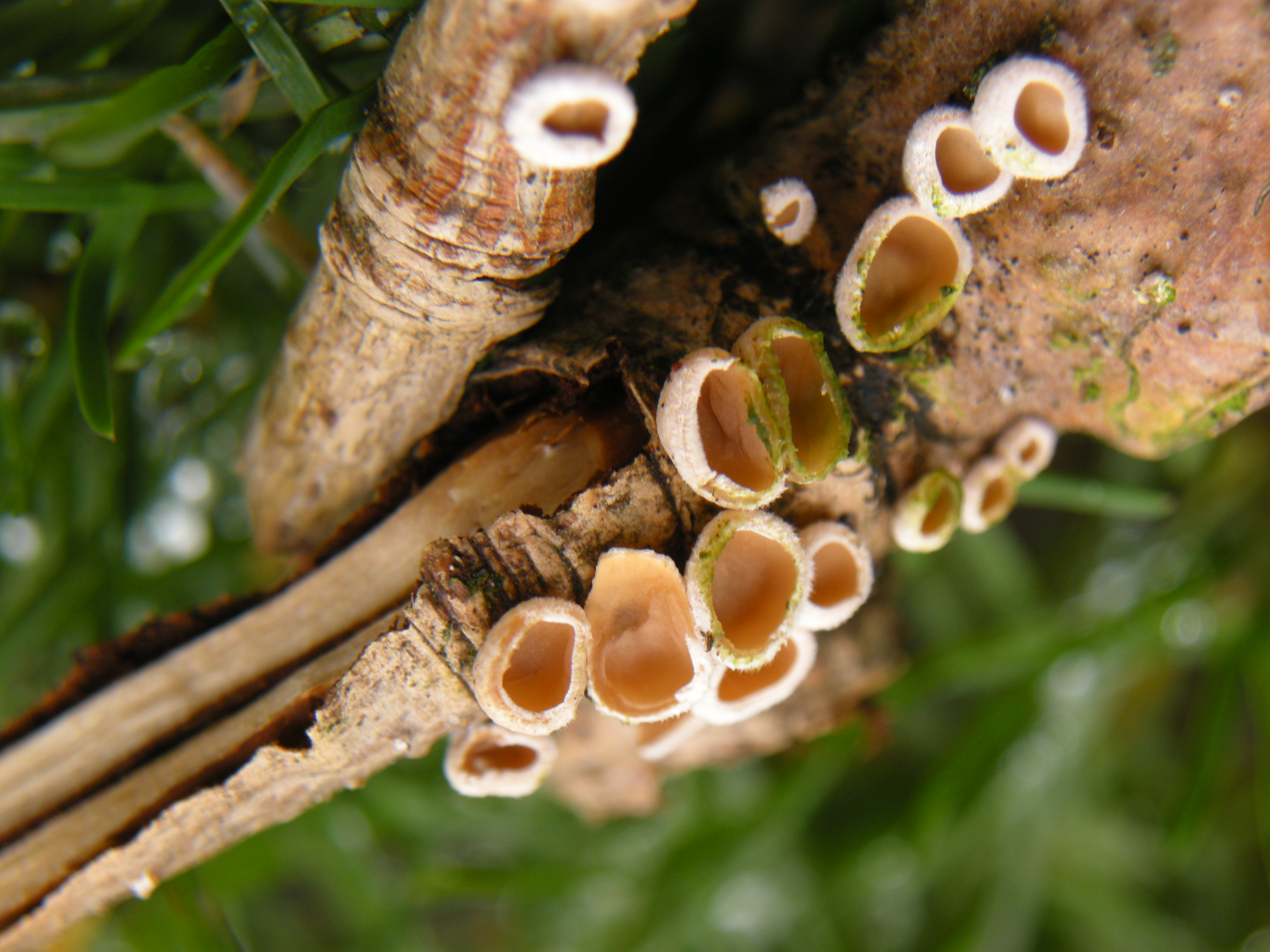
Schizophyllum amplum Some unusual fungi to look out for following a wet and windy day! Poplar Bells (Schizophyllum amplum) This uncommon but fairly distinctive saprobic fungus is a typical decomposer of Poplar species and has been associated with Black Poplar (Populus nigra) as well as Willow (Salix fragilis). Tony Carter, our go-to mycologist, reports the...