Another dry month with only nine days with measurable rainfall; as a result the sand-dune water-table fell by 12 cm. National data show it was the 5th warmest May on record, thanks largely to unusually warm nights. In our region, only 50-70% of average rainfall fell during the spring months of March to May. As...
Dr Phil Smith Wildlife Notes: April
Following on from an exceptionally dry March, the spring drought continued with only five days of measureable rainfall in April and none after 12th. By the end of the month even the TV weather presenters were acknowledging that “gardeners would appreciate some rain.” You might well ask why farmers, growers, the water supply industry and the natural environment did not merit similar concerns! The Met. Office acknowledged “a run of dry Aprils in recent years.” In fact, this weather pattern extends back to 2000, as I have repeatedly pointed out in these notes. Cold dry nights meant awful breeding conditions for Natterjack Toads. I heard one call briefly at Hightown on 27th and that was it.
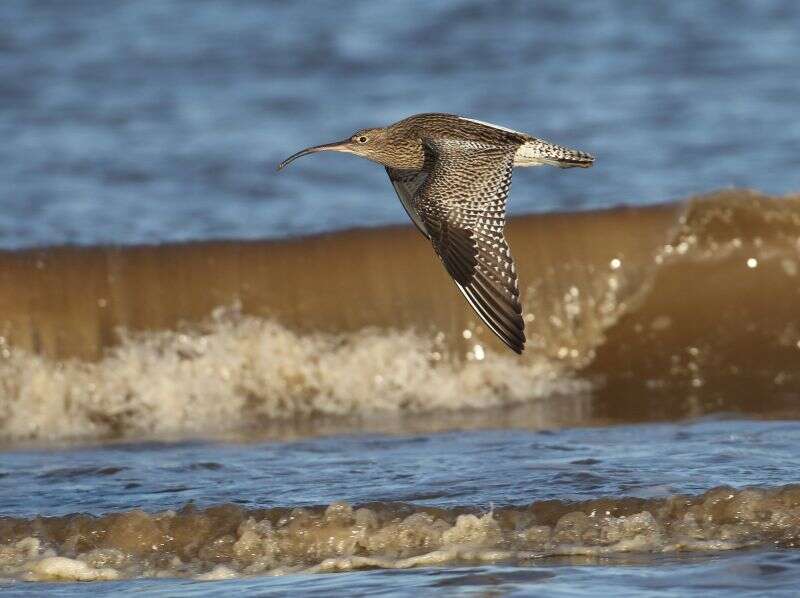
UK Curlew numbers falling in winter too
Proposed as the most urgent conservation priority in the UK as a result of a decline in its breeding population, numbers of this iconic bird are also falling in the winter, despite an influx of continental birds. Latest research from the British Trust for Ornithology investigates the likely causes and asks where conservation efforts should...
Dr Phil Smith Wildlife Notes: March
With high pressure dominant for most of the month, March was excessively dry – measureable rain fell here on only four days. The Met. Office confirmed that we had less than half of our normal rainfall in what is already one of our driest months. It was also the sunniest March since 1929. There were cold snaps with icy winds early and late in the month, with a milder slot in between. Reflecting the dry autumn and winter, the highest water level at the Devil’s Hole slack was 46 cm lower than last year’s record high. One result is that the spawning sites used by Natterjacks at this site may be too shallow this spring, unless we get a lot of rain.