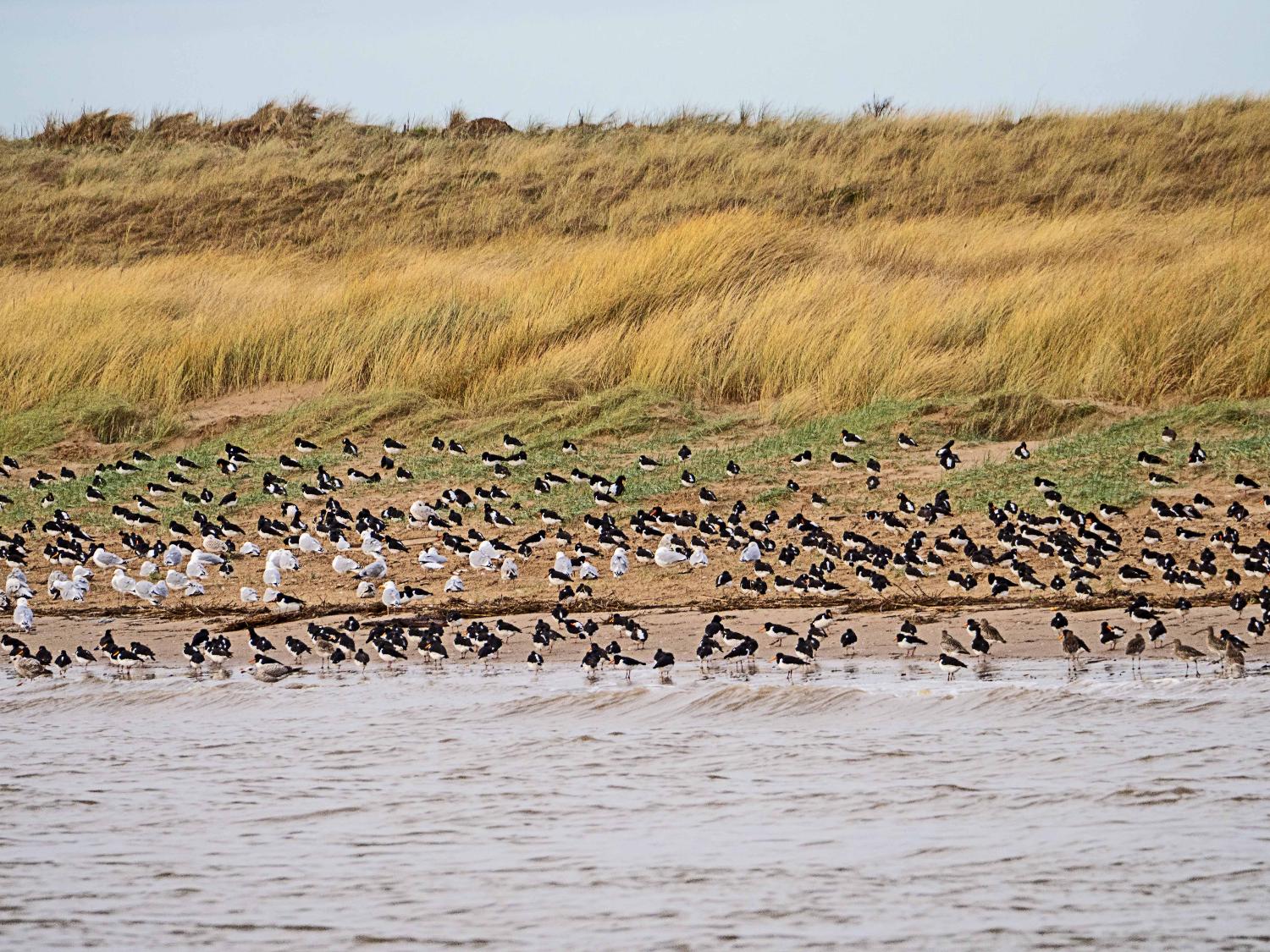
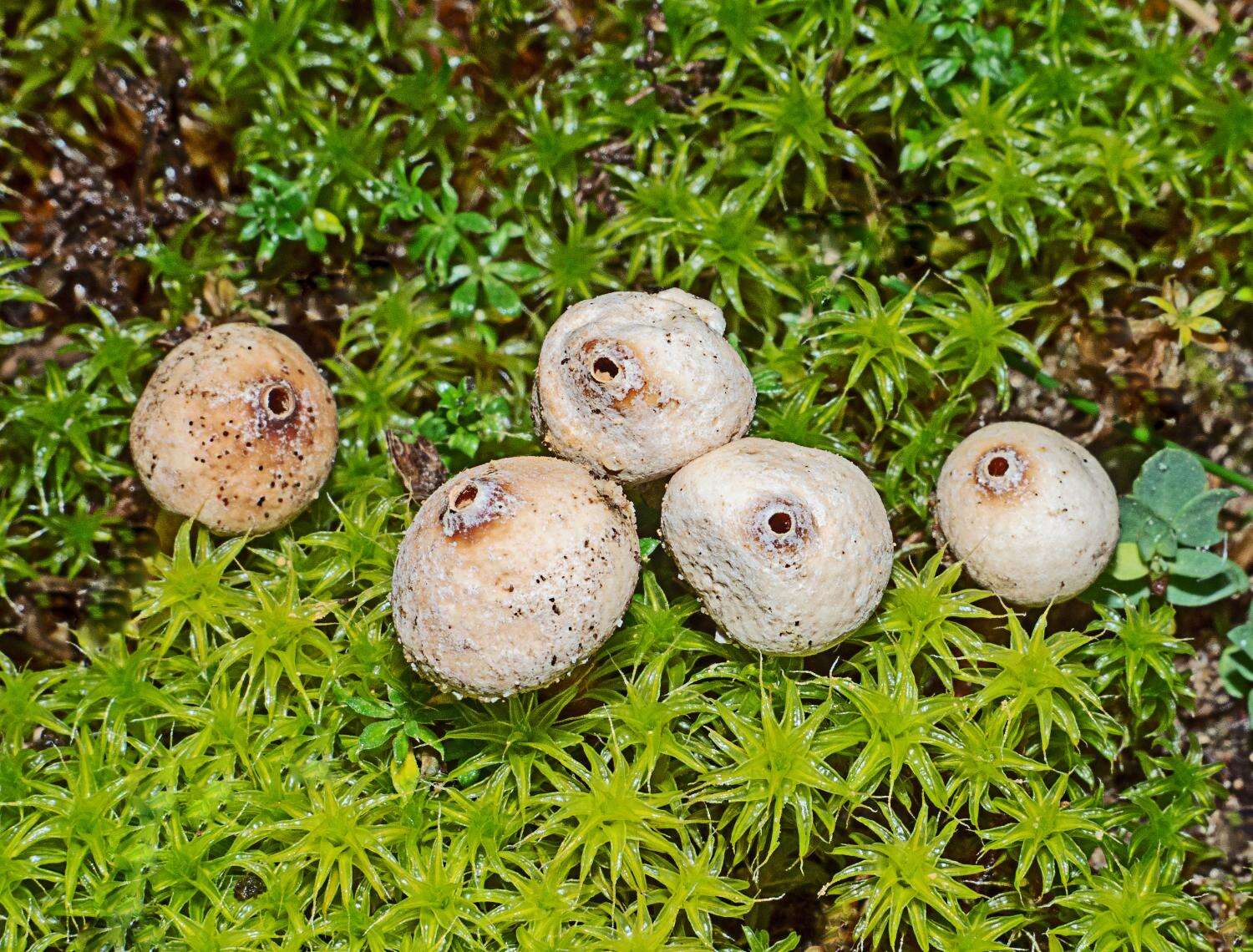
For most of the year, my notes have reported drought conditions on the Seton Coast. These intensified in August, only three days registering measurable rainfall. Thunderstorms that provided welcome relief further south missed us (as usual!). There was also a heatwave from 11th to 14th with temperatures up to about 300C. As a result the...
Dr Phil Smith Wildlife Notes: July
Global warming and associated climate change is now well and truly with us. The Met. Office says that July was the driest in England since 1935 and the driest ever in the south-east. New temperature records were set, including the first time that 40oC was reached in the UK (on 19th). Luckily, it was about...
Dr Phil Smith Wildlife Notes: June
According to the Met. Office, June continued the run of warm dry months this year, rain in the northwest being only 50-75% of average. In Formby, measureable rain in small quantity fell on only nine days, mainly near the beginning and end of the month. This was reflected in a rapid fall in the dune water-table, the level in the Devil’s Hole, Ravenmeols, dropping by 15cm, leaving the slacks almost entirely dry. This time last year there was extensive surface water. I saw no evidence of Natterjack Toad breeding in the Devil’s Hole and it looks as though it was another poor year coastwide.
Dr Phil Smith Wildlife Notes: May
Another dry month with only nine days with measurable rainfall; as a result the sand-dune water-table fell by 12 cm. National data show it was the 5th warmest May on record, thanks largely to unusually warm nights. In our region, only 50-70% of average rainfall fell during the spring months of March to May. As...