December is usually one of the wetter months of the year, as was the case this time with 15 rain-days. Storm ‘Barra’ on 7th-8th produced high winds and heavy showers but was nothing like as damaging as named storm ‘Arwen’ in November.
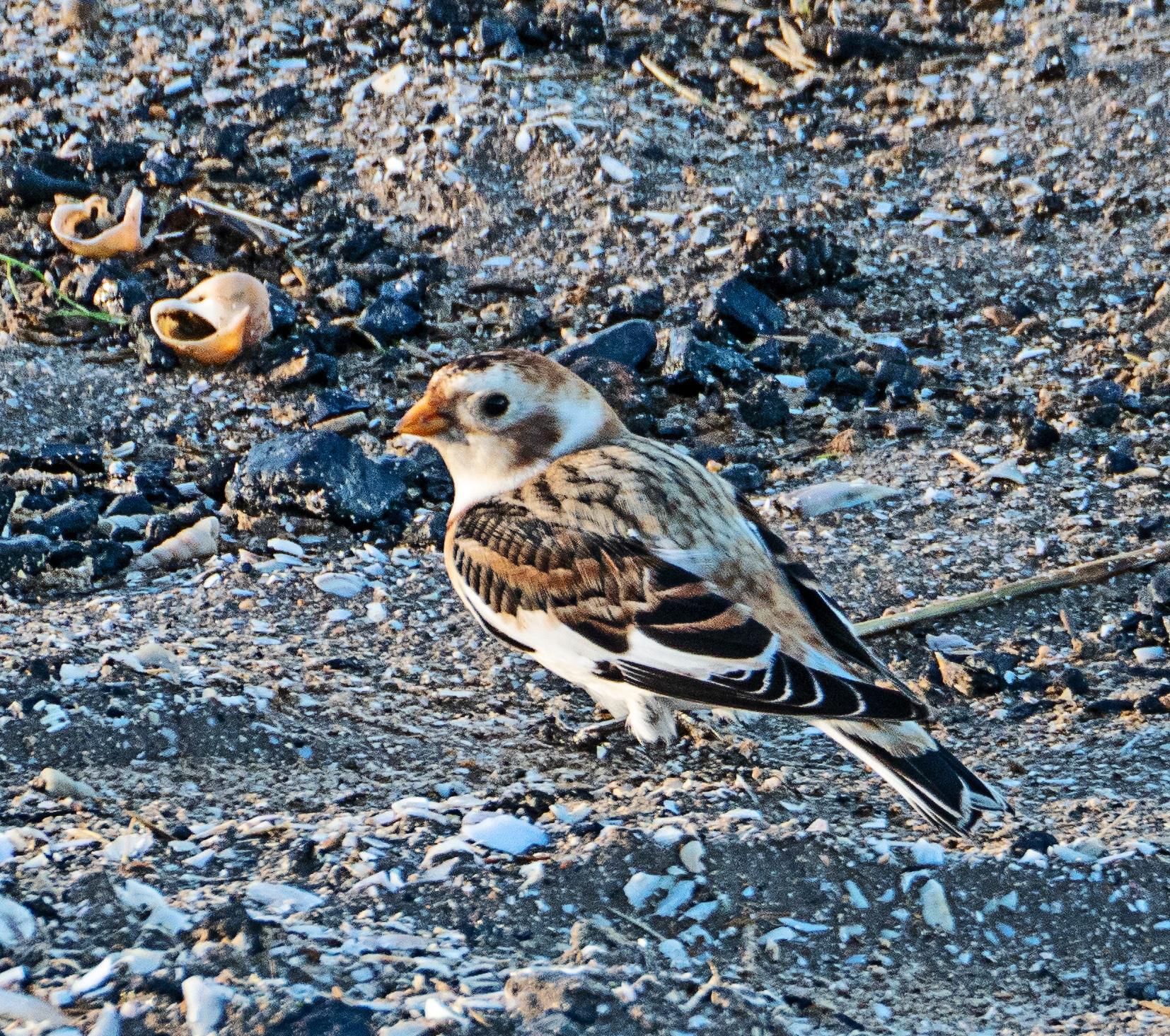

December is usually one of the wetter months of the year, as was the case this time with 15 rain-days. Storm ‘Barra’ on 7th-8th produced high winds and heavy showers but was nothing like as damaging as named storm ‘Arwen’ in November.
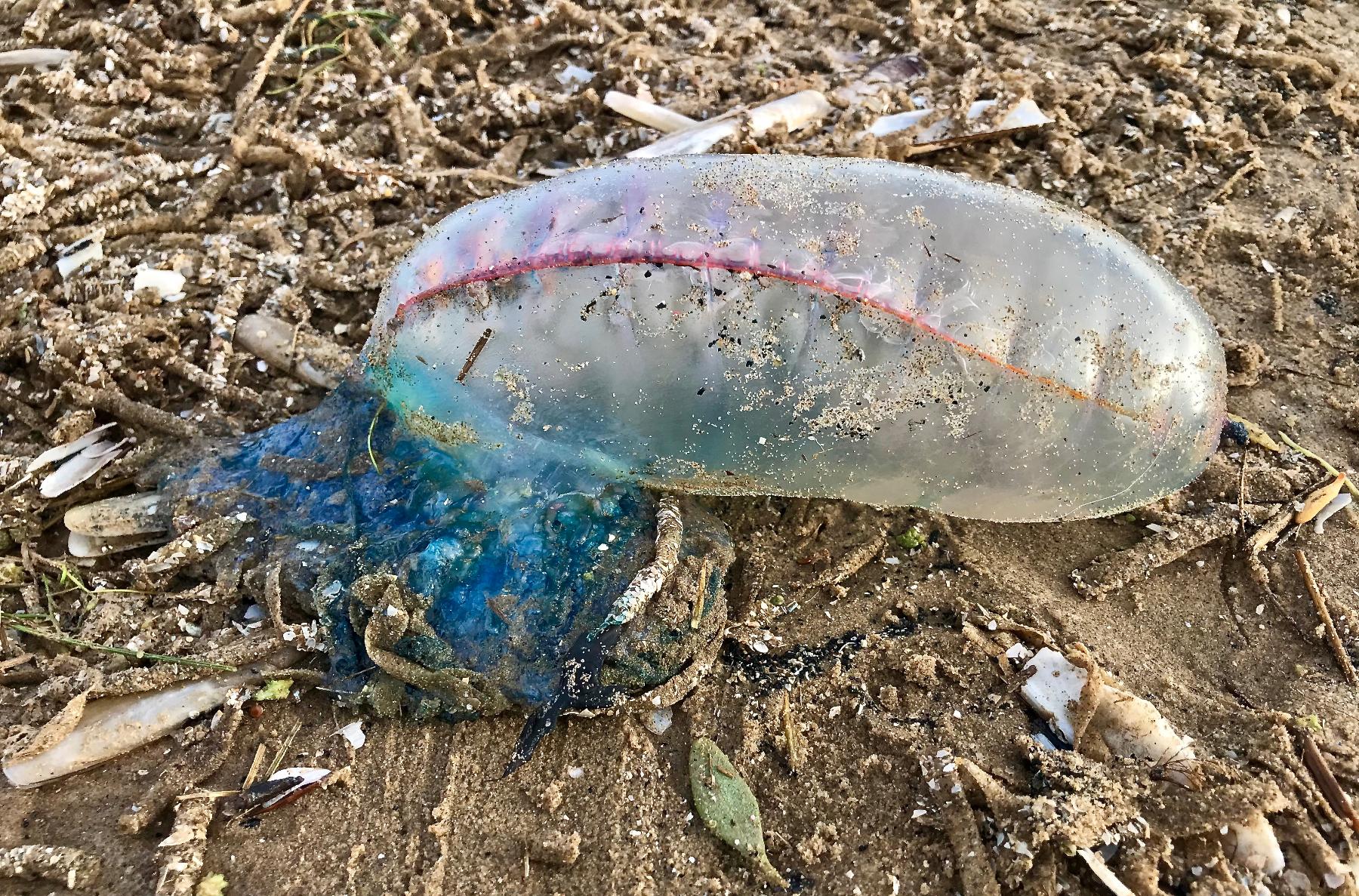
November is generally a quiet time for wildlife. However, Ian Wolfenden reported a huge movement of winter thrushes at Hightown on 4th. He estimated an extraordinary number of 5000 Fieldfares and 2000 Redwings flying north. Strong winds from the southwest on 6-7th brought in an unusual bounty from the tropics, John Dempsey finding a colourful Portuguese-Man-of-War and...
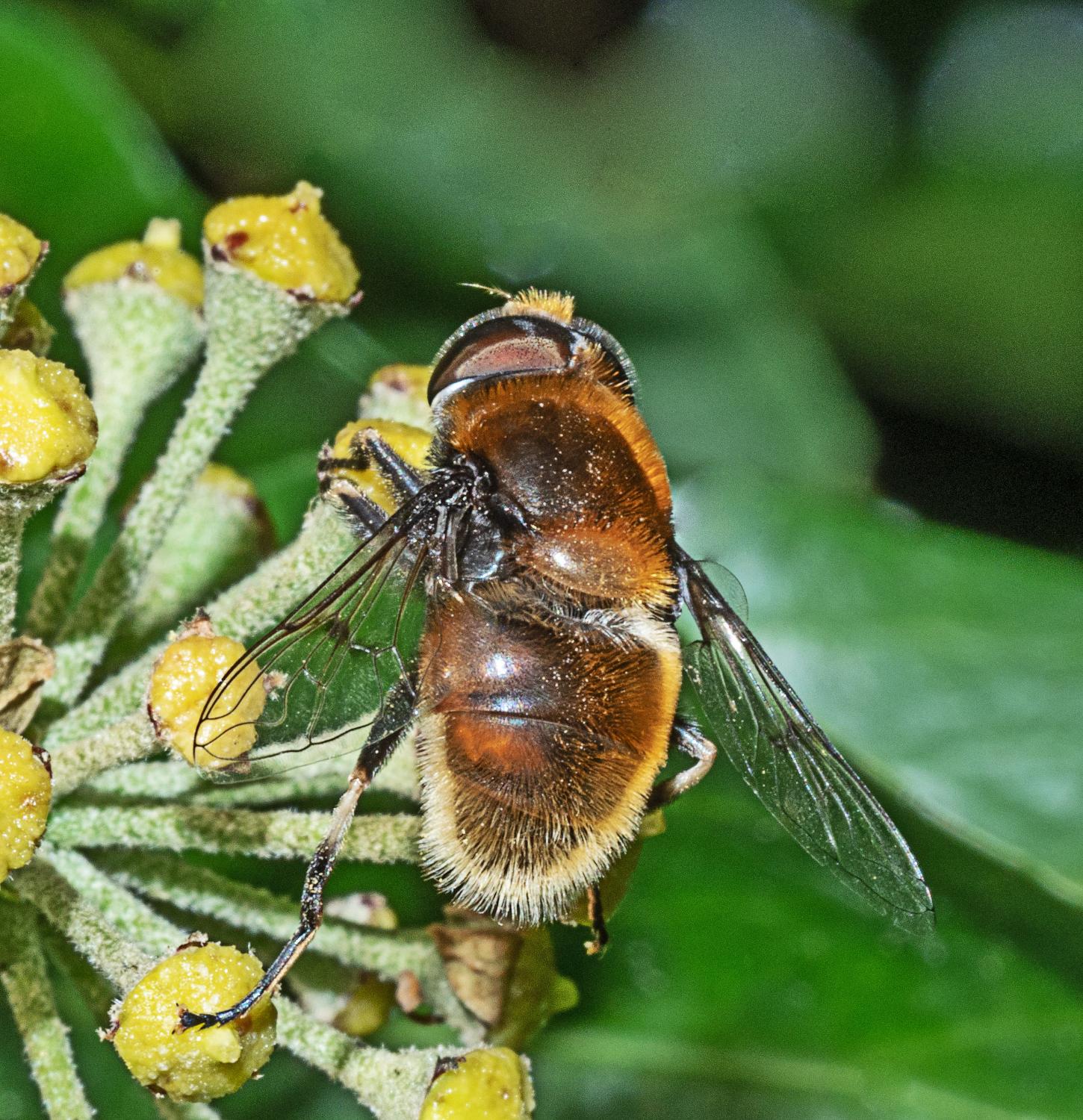
October had a total of 16 rain-days, being wet and windy early and late in the month, with a dry 10-day period in the middle. Gales in early October blew in masses of sand, deeply burying the rich strandline vegetation at Ainsdale that I highlighted in the September notes. The associated 10m high-tides washed up drifts...
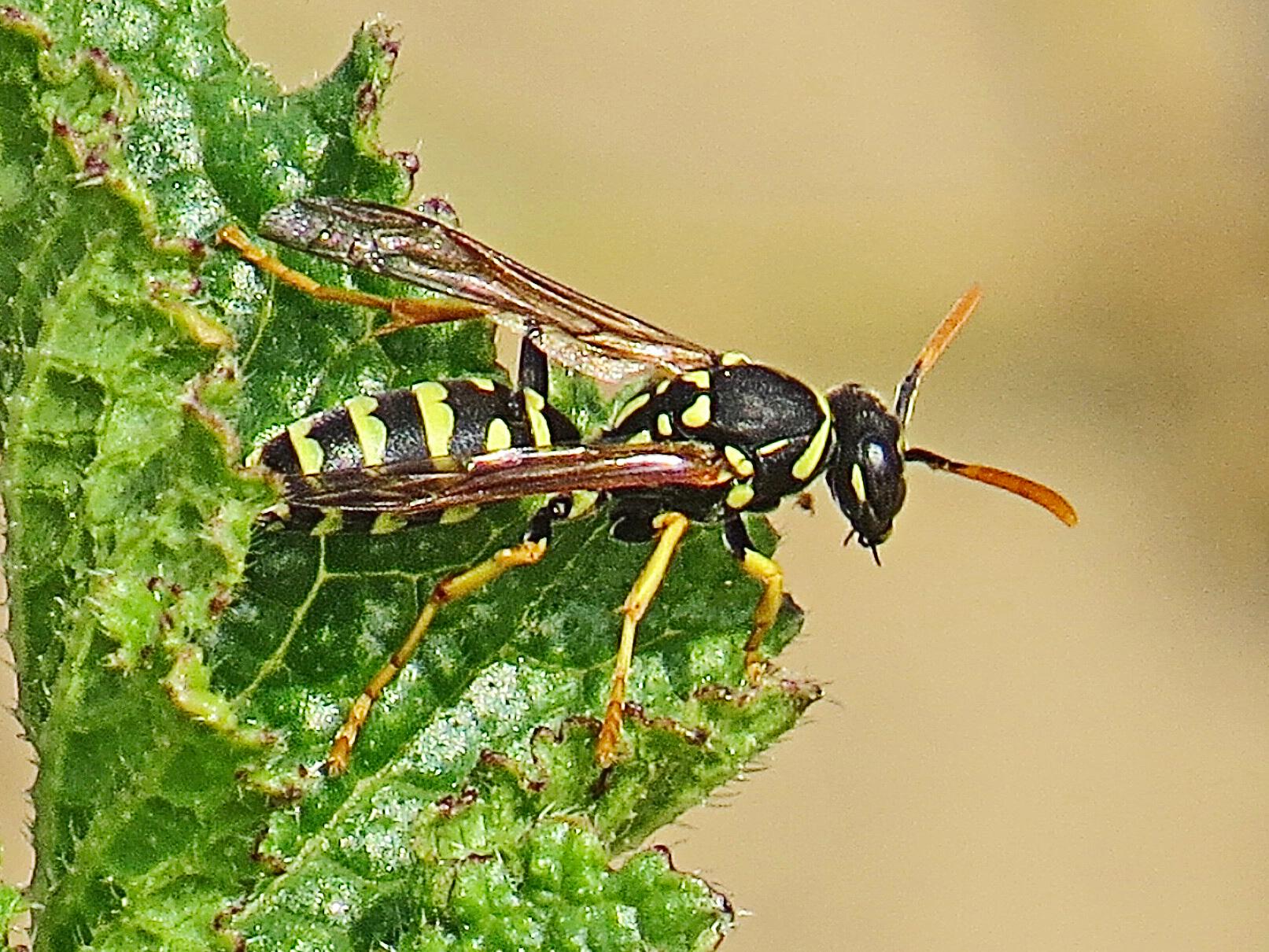
It was another eventful month for nature on the Sefton Coast. One of the main attractions was the amazingly diverse strandline flora that developed on the shore between Ainsdale and Birkdale; I can’t remember seeing anything like it before.