Tutor: Julia Simons
Merseyside Biobank Open to members of Biodiverse Society Thurs 19 May 2016
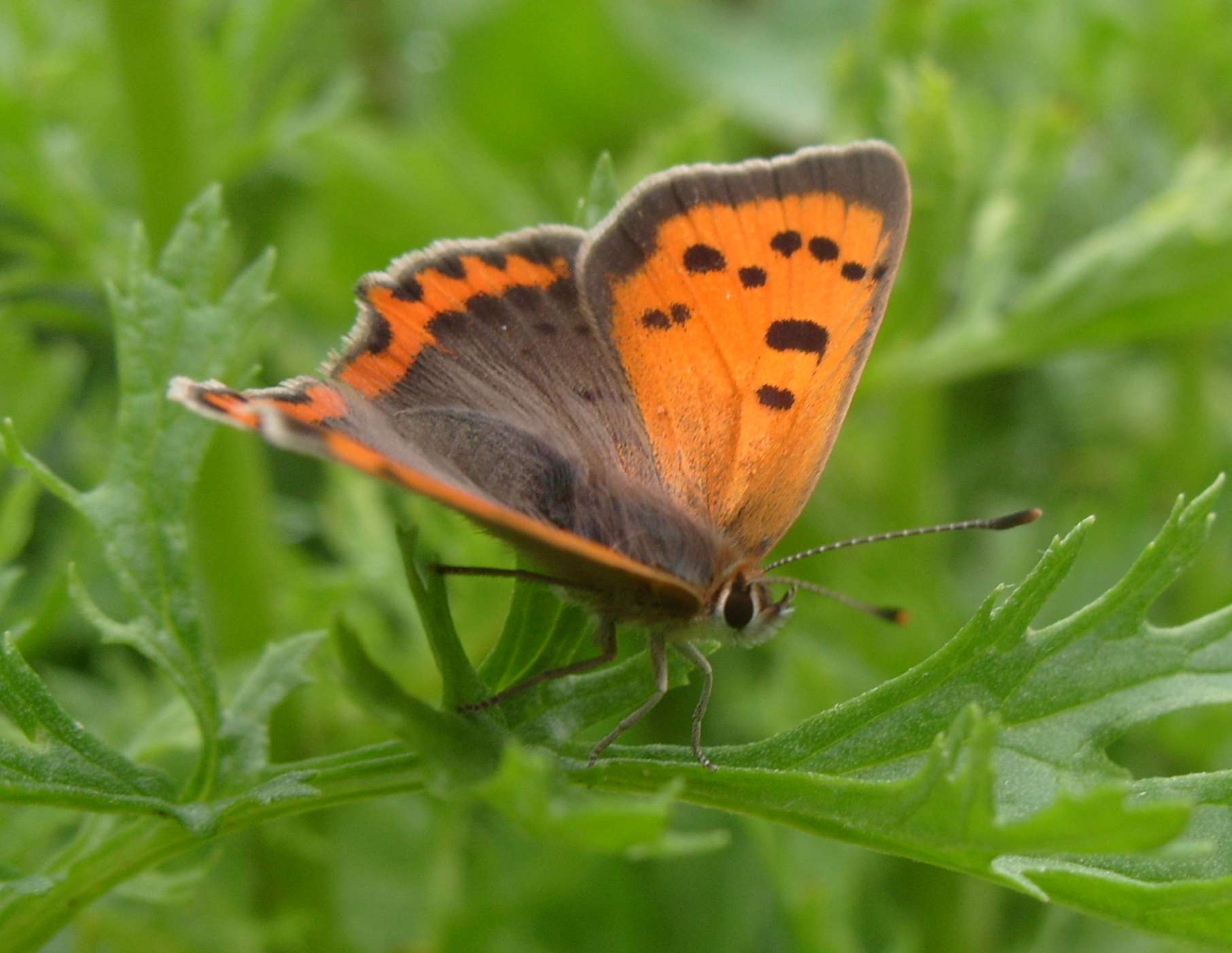
This popular 2 hour course concentrated on the identification and raison d’etre of recording Lepidoptera as valuable indicators of the state of our environment on a local and national scale. We learned that butterflies can inform us about the health of a habitat, a measure of successful conservation and about climate change. They are one of the easiest groups to learn to survey as there are only 61 species in the UK, only 36 of these in Lancashire and only 25 in Merseyside.
Julia’s presentation covered; Blues, Coppers and Hairstreaks Lycenidae, Whites and Yellows Pieridae, Frits and Browns Nymphalidae and Skippers Hesperiidae.
Butterfly conservation surveys, recording schemes and transects were outlined as well as the importance of submitting records for making management decisions and to secure on-going wildlife value, for making planning decisions and to highlight where biodiversity is of particular concern.
A table showcased the ID books, guides, crib sheets and Field Guidance notes and an ID Quiz of 12 butterflies pleasantly rounded off the course. The next part of the course will take place in the field, when weather conditions are right for this colourful yet sensitive form of wildlife: Wind (less than Beaufort Scale 5), Sun (60% sunshine), Temp. (min. 13° or 17°+ if overcast) and no rain (dry)!
HH@BioSoc