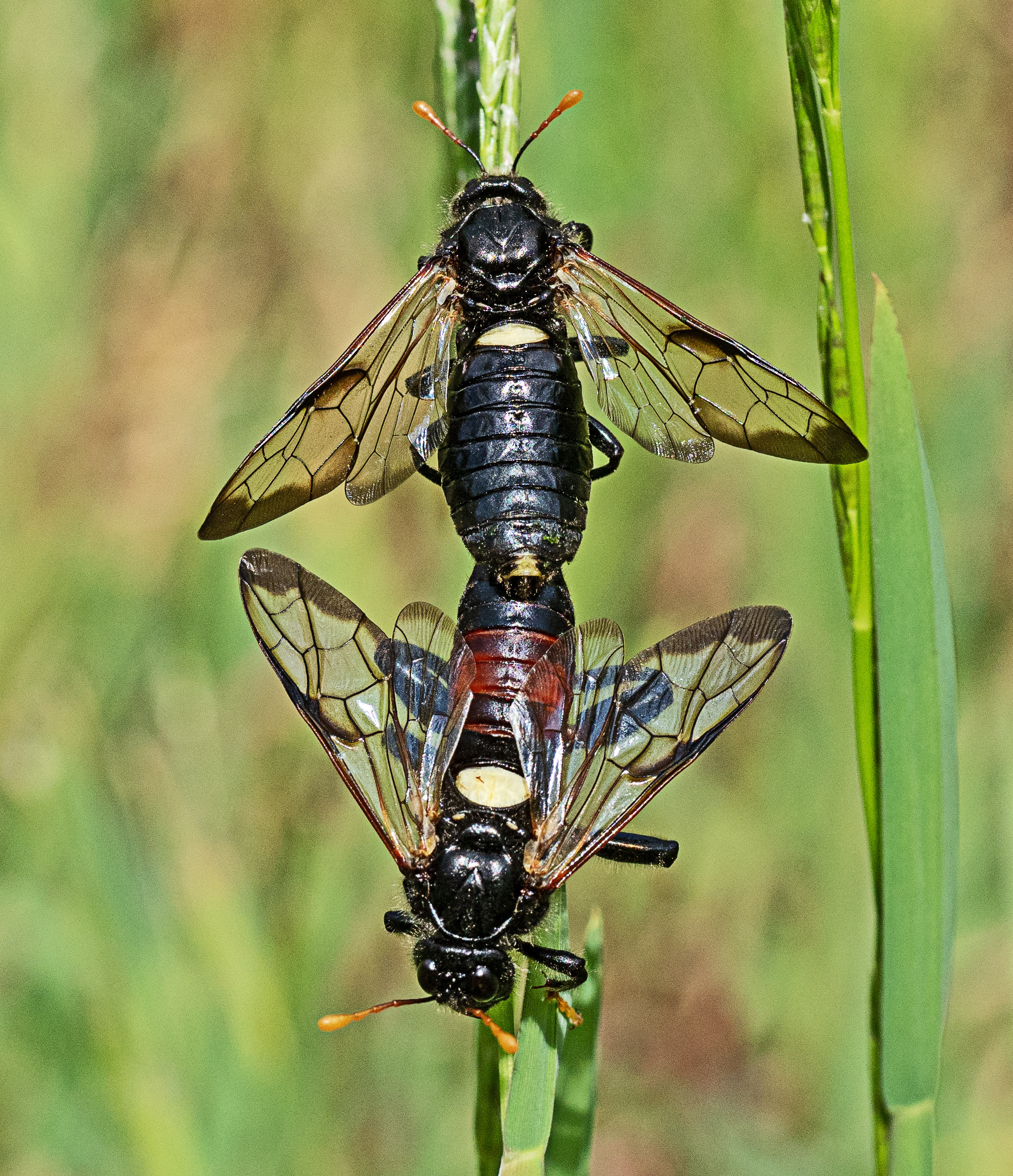
Extreme heatwaves and prolonged spring and summer droughts are a predicted consequence of climate change. Fortunately, most of our sand-dune specialist flora and fauna seem able to cope at present, being adapted to life in harsh conditions. A loud hum preceded the arrival of two enormous, tropical-looking insects that crashed into the grass a few...
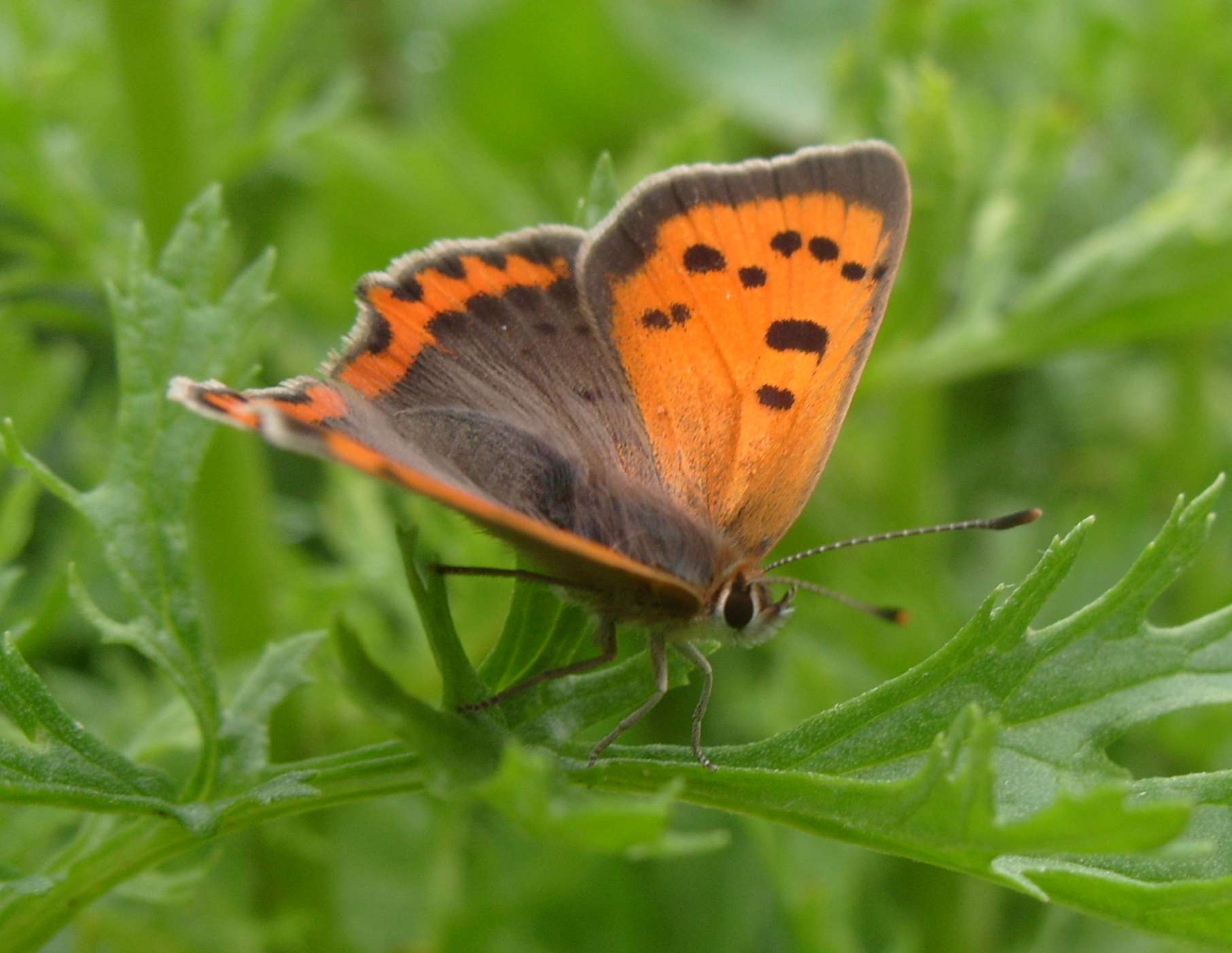
Where are our garden butterflies?
The cold 2021 spring and early summer seems to have had an impact on some of our garden butterflies – so far in 2021 nearly all of the 13 species, monitored as part of the British Trust for Ornithology’s (BTO) Garden BirdWatch (GBW), are being seen in fewer gardens and are also appearing later than...
Hugh Harris: Why Record Butterflies?
Tutor: Julia Simons Merseyside Biobank Open to members of Biodiverse Society Thurs 19 May 2016 This popular 2 hour course concentrated on the identification and raison d’etre of recording Lepidoptera as valuable indicators of the state of our environment on a local and national scale. We learned that butterflies can inform us about the...
MBAN Butterfly resources
There are three main ways for MBAN members to get involved with Butterfly surveying and recording in North Merseyside this year. Grayling monitoring In 2010 Merseyside BioBank commissioned – with the help of a grant from the SITA Trust – a baseline survey of the Grayling butterfly on the Sefton Coast. One of the products...