Dr Phil Smith
Fortunately, we had a few showers early in the month but not a drop of rain fell after 17th April. According to Rachael Park’s rain gauge, Formby had just 15.5 mm, about a third of the expected amount. This spring drought was also experienced in most of the UK, with high pressure systems dominant. The Met Office recorded the 7th warmest April on record. Unsurprisingly, the water-table at the Devil’s Hole fell by about 15 cm during the month.
I have described spring droughts, linked to climate change, almost every year since I started my monthly ‘wildlife notes’ in 2007; but the trend goes back to at least 2000. It has often had dramatic impacts on our local wildlife, ranging from the appearance of new species from the south to adverse impacts on breeding populations.
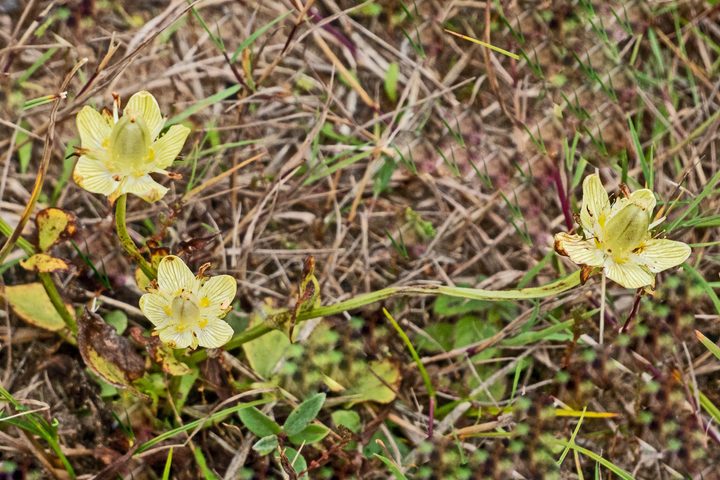
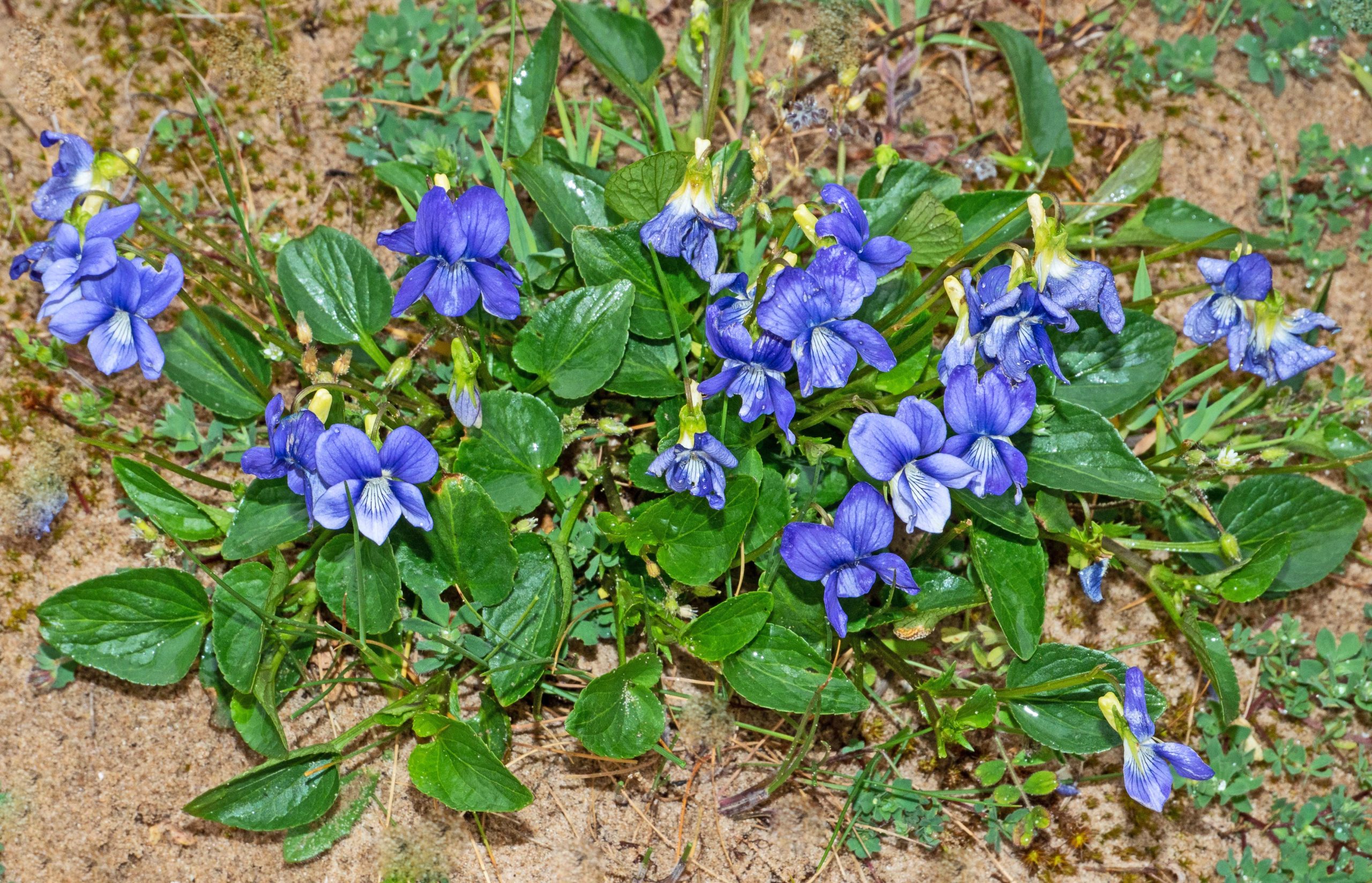
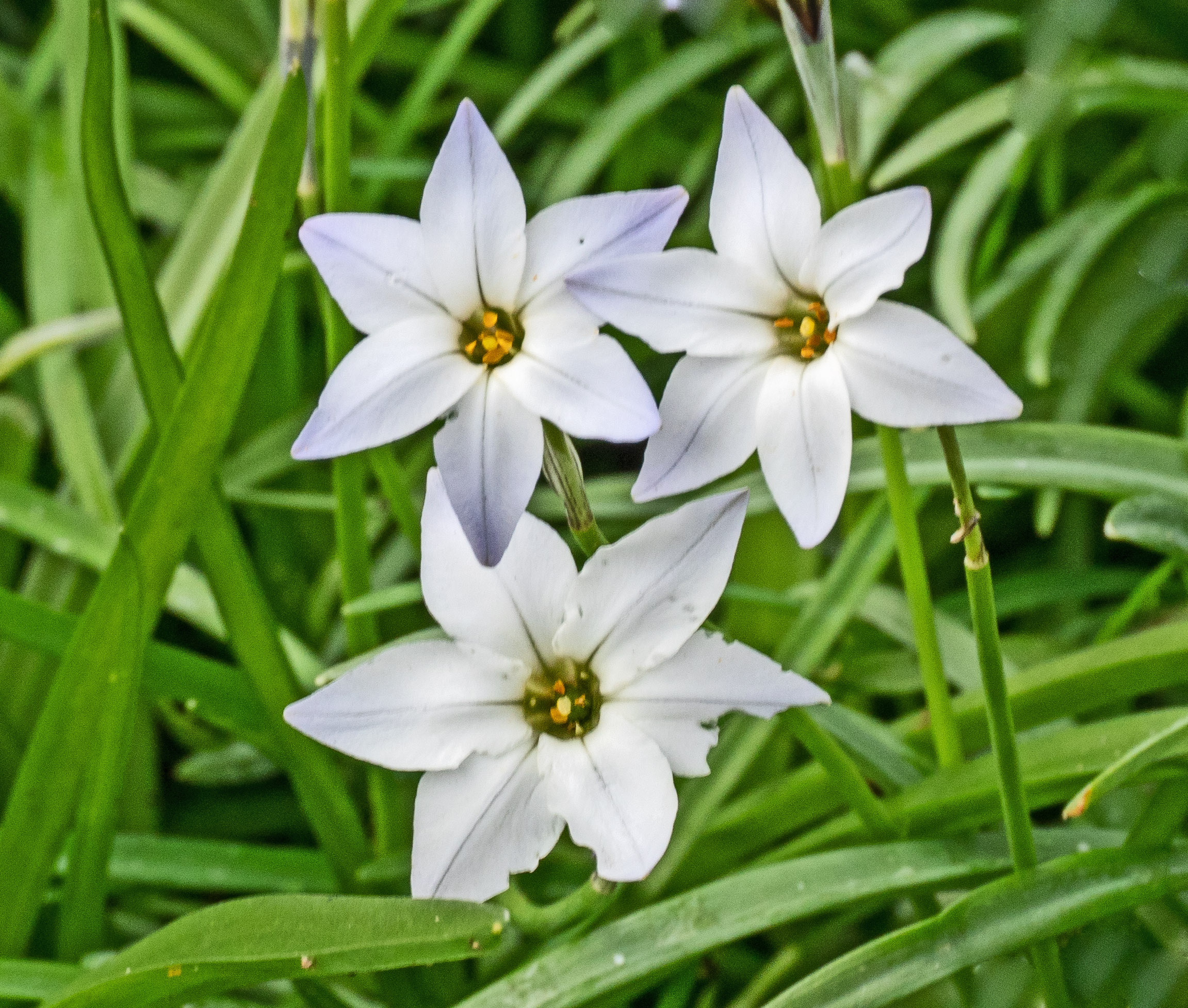
Nevertheless, April is still a wonderful month for enjoying the Sefton Coast as spring takes a hold and tree leaves explode in a myriad of green hues. Thanks to the early showers, several spring flowers also did well on the dunes, my favourite, the Early Forget-me-not, being especially prolific, as was the Red-listed Heath Dog-violet. I even found both species flowering on the small, sandy lawn outside my flat in Formby. These two are native but many flowers along the coast are garden escapes, such as the big patches of Corsican Hellebore and Spring Starflower at Formby Point. Nearby was a spectacular display of Primrose. It’s been there for many years but was it originally planted? A new discovery was Mossy Stonecrop, a tiny bright-red, succulent annual of bare compacted ground. I noticed several patches on a lightly trampled path at Ravenmeols dunes. Most often seen in northeast Scotland and East Anglia, this plant is a rarity in the Northwest of England, being known from only two other places on the Sefton Coast.
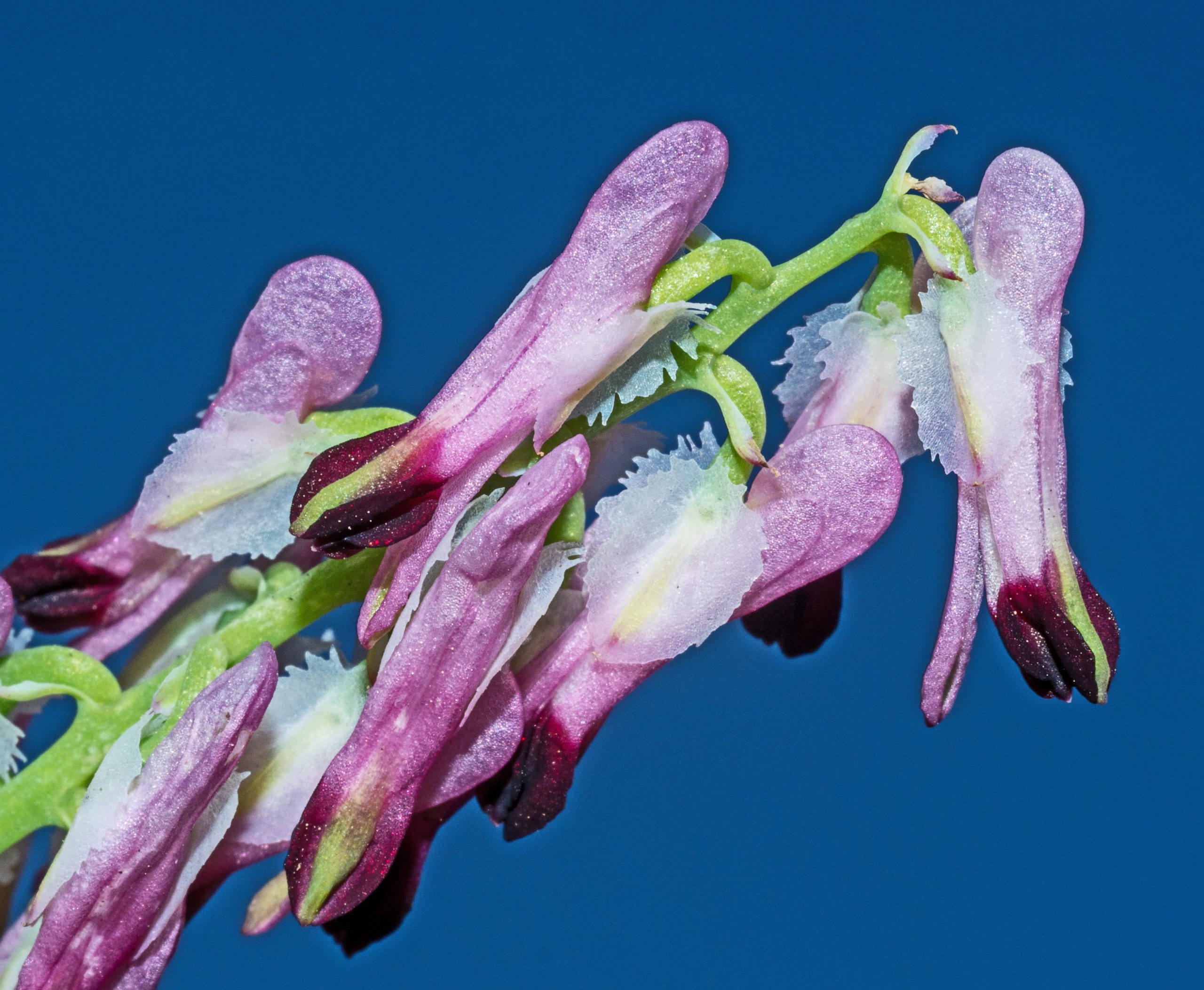
An excited phone call from botanist Josh Styles saw me hurrying to Freshfield Dune Heath Nature Reserve on 23rd. He had found large populations of the Small Cudweed and Shepherd’s-cress, both Red-listed in England. I easily found the Shepherd’s-cress on old ant-hills but couldn’t get to the Cudweed because of an electric livestock fence! This tiny plant was re-introduced to the reserve several years ago but was thought to have become extinct. As a bonus, I spotted a patch of Spring Sedge at its only known site on the Sefton Coast. A grassy verge at Kirklake Road, Formby, produced a superb patch of the attractive Purple Ramping-fumitory, also Red-listed in the UK. Nearby, for comparison, was Common Ramping-fumitory, while several patches of the related Tall Ramping-fumitory appeared on the edge of Wicks Path at Formby Point. The final botanical expedition of the month involved a visit to Hightown to catch up with several spectacular Green-winged Orchids that were found two years ago on the Thornbeck Avenue verges and the nearby dunes. Most were still there.
These days, I don’t do much bird-watching but a trip to RSPB Marshside on 21st produced singing Whitethroats, with the very loud Cetti’s Warbler, my first Swallow of the year and six Little Gulls, the latter being one of my favourite birds. Back in the late 1970s and 1980s, hundreds of these delightful gulls, the smallest in the world, assembled in April at Seaforth and Crosby to feed up on midges before migrating to their breeding grounds around the Baltic Sea. Sadly, numbers of Little Gulls seen in Sefton have greatly declined in recent decades for reasons not fully understood. Perhaps the best bird discovery of the month was a singing Nightingale on 17th at Birkdale Green Beach recorded on his ‘phone’ by Michael Binns on. The most recent previous sighting in Sefton was at Freshfield Dune Heath in May 1991. Nationally, Nightingales have suffered a 90% decline from 1967 to 2022, being now restricted to a few sites in southern England. Habitat loss over their breeding range is thought to be partly responsible but changes in the wintering areas in western Africa may have also played a part. I well remember being deafened by Nightingales while doing research in Monks Wood NNR, Cambridgeshire, in the 1960s. None breeds there now.
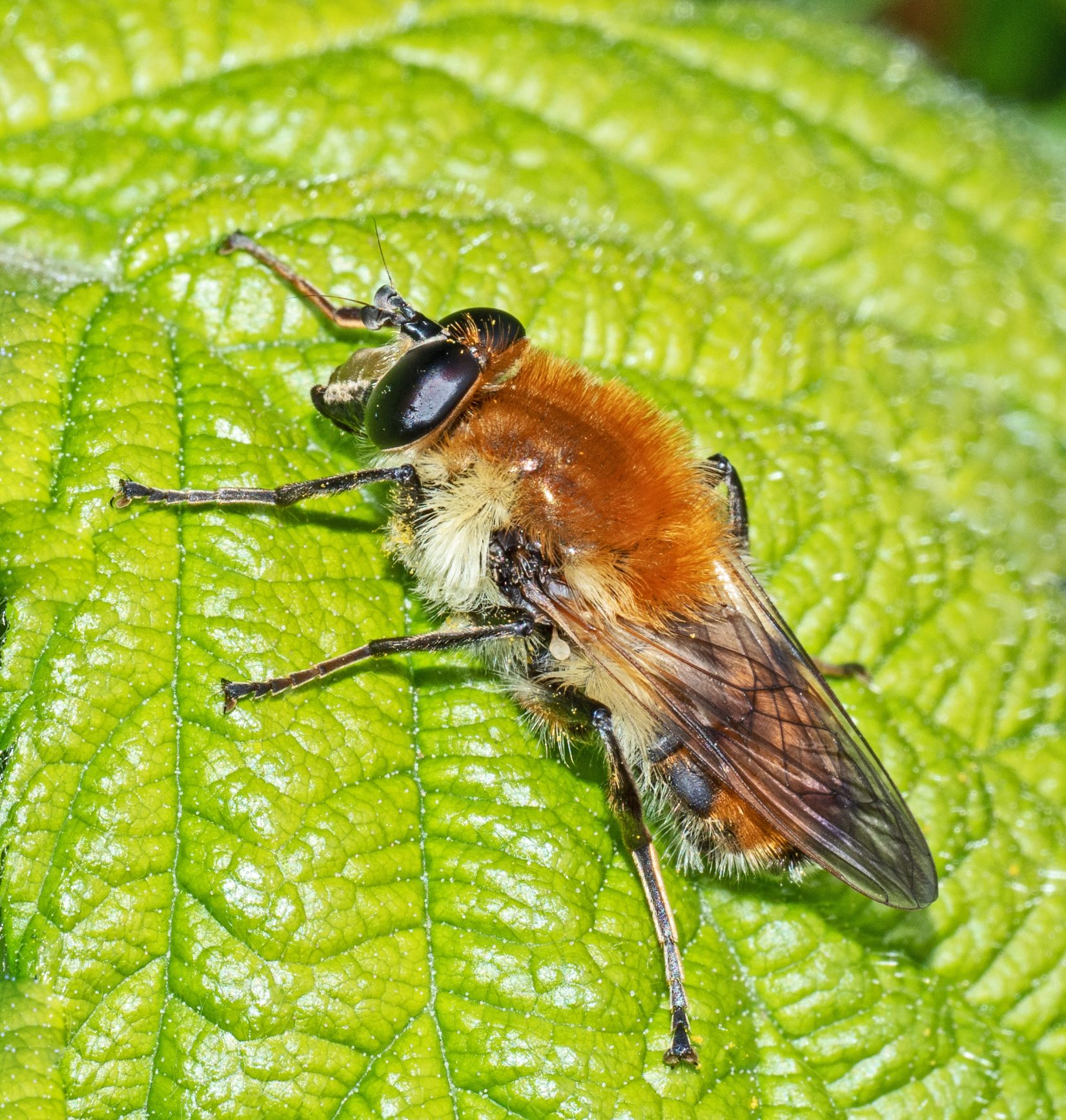
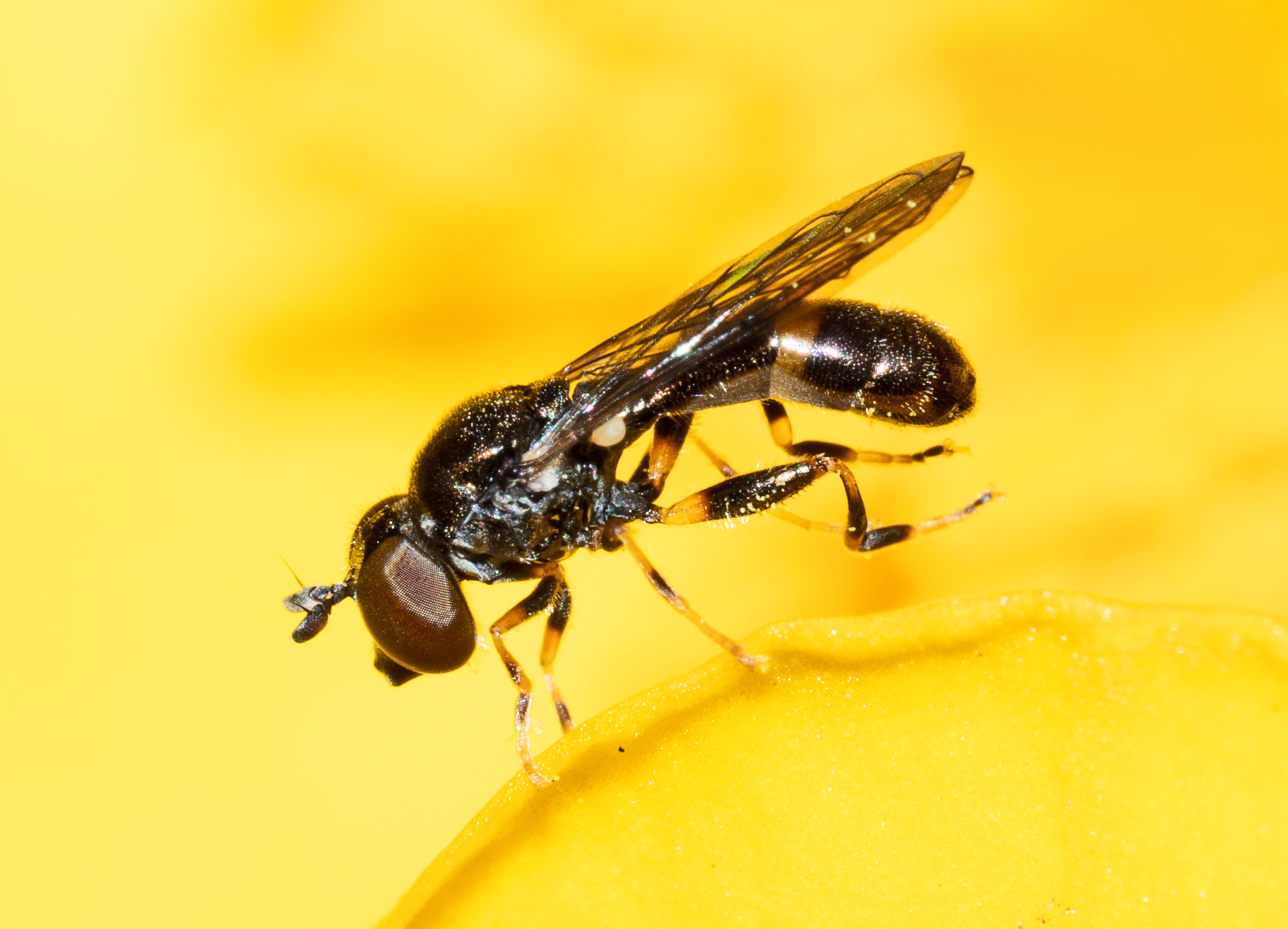
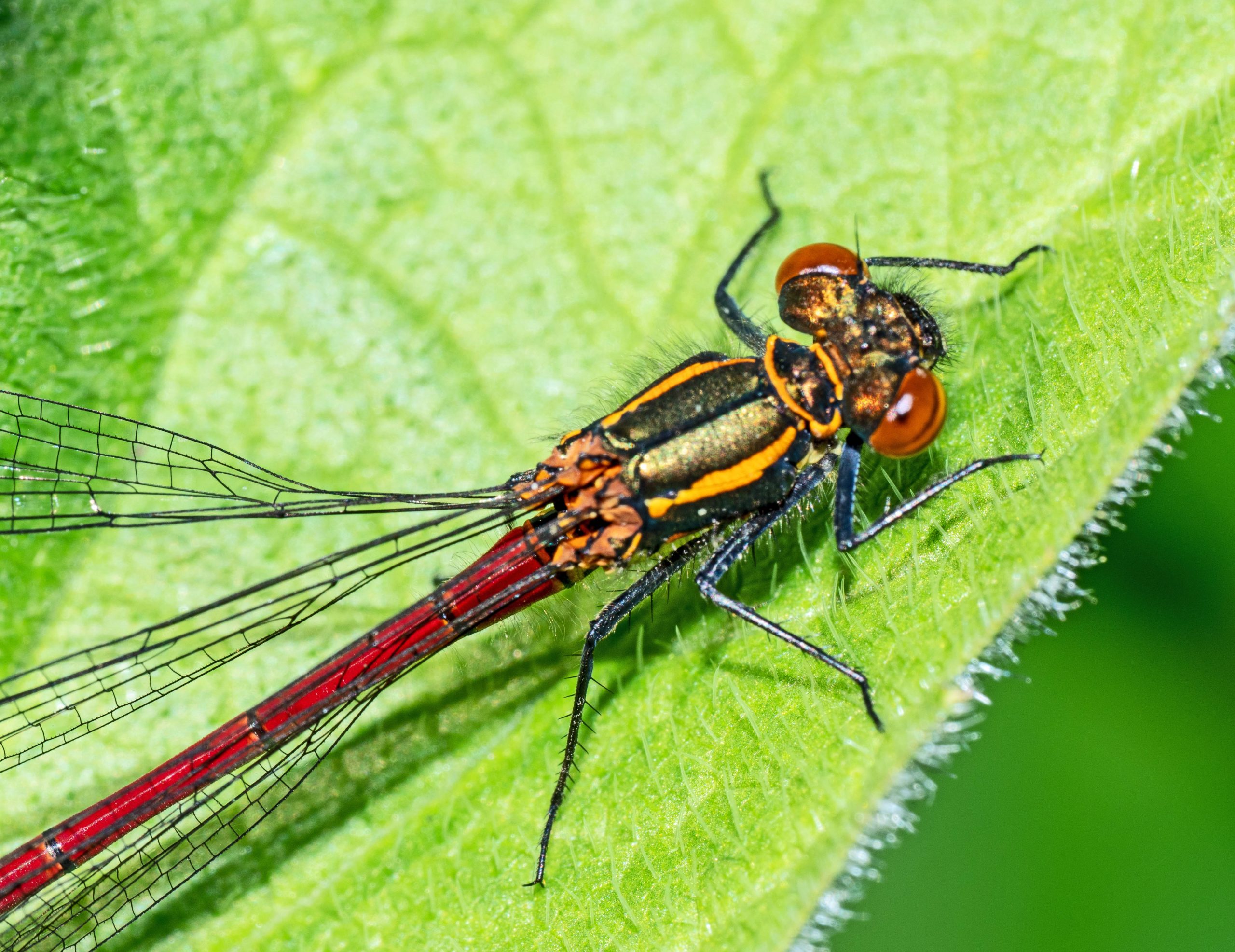
As usual, sun-loving insects proliferated during April, the familiar Orange Tip butterfly being a regular feature. Late in the month, a Sefton Coast speciality, the tiny Spring Heath Robberfly turned up as usual on logs, leaves and sandy paths in full sun. Amongst many different kinds of hoverfly was my all-time favourite, the large White-tufted Bearfly, a remarkable mimic of the Common Carder bumblebee. A rare trip inland to Haskayne Cutting produced one of our smallest hoverflies, a Fen Fly only 5 mm long nectaring on Marsh Marigold. Another highlight was my earliest ever Banded Demoiselle on 26th at Alt Bridge, Formby. A few years ago, I had to wait until late May to encounter this spectacular insect. It has a well-established breeding population on Downholland Brook, together with the Large Red Damselfly. I counted 18 of the latter on 30th, an uplifting end to another eventful month.